A prominent epidemiologist says as the number of Kiwis reinfected with Covid-19 grows, Long Covid could become the leading cause of disability in New Zealand.
The latest figures, released by the Ministry of Health on Monday, showed the rolling average of new daily cases dropping slightly to 2738.
While widespread vaccine coverage has helped keep New Zealand’s mortality rate low, compared to nations which suffered waves of infection earlier in the pandemic, not everyone completely recovers from the acute stage of the infection.
A recent article in Nature Reviews Microbiology said studies have shown around 10 percent of Covid-19 infections – including Omicron – result in Long Covid.
“It basically results in a vast array of different symptoms,” University of Otago epidemiologist Michael Baker told Morning Report on Tuesday.
“Weakness and fatigue, neurological symptoms – people talk about brain fade and so on, and haze; and the other area of course is respiratory problems – being chronically short of breath.
“Many people have this effect, this post-Covid syndrome, that resembles ME (myalgic encephalomyelitis) and chronic fatigue syndrome, which are very well-known post-viral illnesses. And they, we know from past experience, can result in quite debilitating illness that can last for many years, and is in many cases permanent.”
Vaccination, which vastly reduces the risk of serious illness and death from Covid-19, only partially reduces the risk of Long Covid, according to the most optimistic studies looked at in the Nature paper (between 15 and 41 percent); while some of the research looked at found no reduced risk at all.
With New Zealand now reporting more than 2.1 million confirmed infections, Baker said there could already be a potential 200,000 Long Covid cases.
“Of course, some of those people would have recovered over time.”
But not only do experts say that figure is almost certainly an underestimate, Baker said it’s almost certain the ministry’s latest reported figure of reinfections – 40 percent last week – is also an undercount.
“To be a reinfection, you have to be identified as an infection in the first instance, then identified as getting the infection again. So the true number of people who have had the infection may be as high as 80 percent in New Zealand.
“We don’t know. We haven’t really done the research in terms of infection prevalence surveys and seroprevalence studies.”
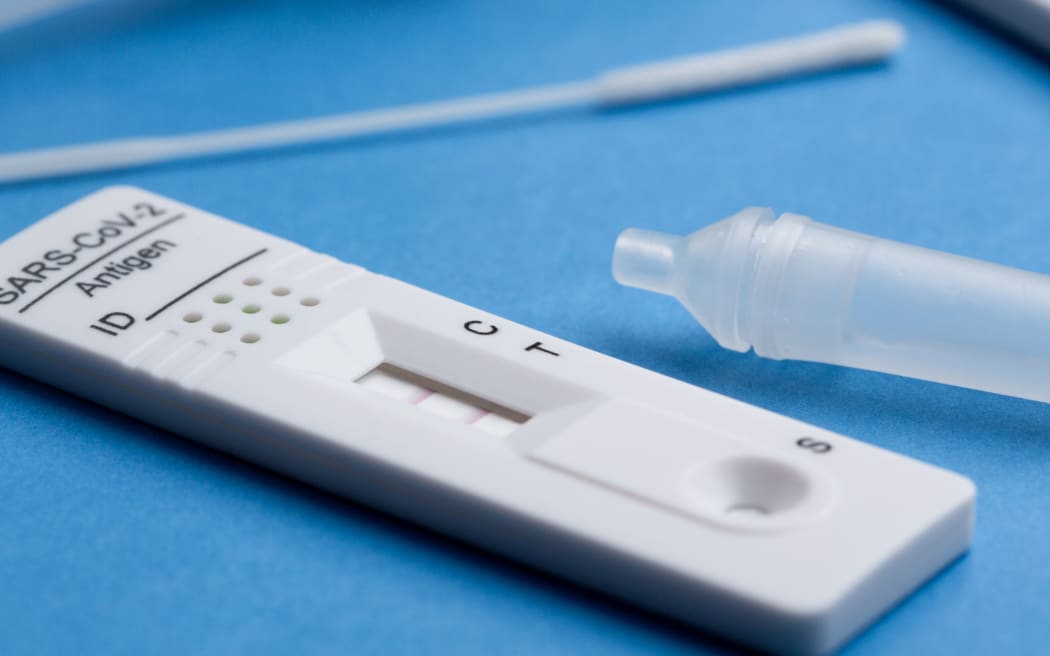
The true number of Covid-19 cases in New Zealand is not known, experts say. Photo: 123rf.com
A seroprevalence study – measuring how many Kiwis have antibodies against the virus, whether from infection, vaccines or both – was delayed last year due to the impact of the first Omicron wave and health sector reforms. It is not expected to be carried out until mid-2023.
The number of reinfections is important because studies have shown the more times a person is infected, the greater chance they have of developing ongoing symptoms.
“Any acute infection that results in a long-term disability is very serious from a social, economic and health perspective,” said Baker. “The Ministry of Health has convened a Long Covid expert advisory group and they’re obviously working on trying to characterise the extent of this syndrome in New Zealand and how to manage it.”
‘Hard to predict’
After two years of being held largely in check, Covid-19 surged to become the second-leading cause of death in New Zealand in 2022, behind only heart disease. At the peak of the winter wave, it was briefly the country’s biggest killer.
New Zealand’s third Omicron wave appears to be easing, Baker said. But with adults heading back to offices and kids into classrooms over the next few weeks, he said it is difficult to predict what lies in store in 2023.
“Hopefully we’ll see numbers drop down to relatively low levels for a period. But again, this pandemic is giving us a taste of what living with Covid looks like – and it does look like a succession of pandemic waves going into the future.
“These are going to be driven by things that are hard to predict – particularly new, emerging subtypes. In addition, we’ve got waning immunity and also changes in behaviour … we have other Covid subvariants on the horizon that might drive further waves.
“I would say it’s safe to predict that the pattern we’ve seen in the last year is what we can expect in coming months, unless there’s some huge shift in our ability to manage this pandemic.”
The government dismantled the blunt but effective alert level system in late 2021, and removed almost all the remaining restrictions and rules in September 2022.
Baker said improvements in vaccines and antivirals will likely be needed to manage the next phase of the pandemic, entering its fourth year, but we also need to look at improving indoor air quality, remembering to test for infections ahead of get-togethers and wear masks when indoors in public – especially public transport.
As for when we can expect a fourth wave, Baker said it was difficult to predict with so many uncertain variables – most importantly, new variants and subvariants.
“It’s a bit like economic forecasting – you can think of scenarios, but you can’t predict what will actually happen.”
Source – RNZ