Connect with us

HTML Image

i

Politics

Who’s in, who’s out? Labour unveils list for November election

Published

on

Labour has unveiled its list for the November election with 30 newcomers.

The list confirms who can also get into Parliament based on their ranking and the party’s share of the party vote.

Party president Jill Day on Monday said they were “proud” of the diversity and “depth of talent” included.

“We represent our whole community with the skills and life experiences we need to bring real progressive change… Our moderating team had a difficult time putting the list together. We have so many talented people in the Labour Party… We have a list that looks like Aotearoa New Zealand.”

Based on the latest polling from the RNZ-Reid Research survey, Labour would have a total 44 seats – with candidates who win electorates taking priority over those elected on the list.

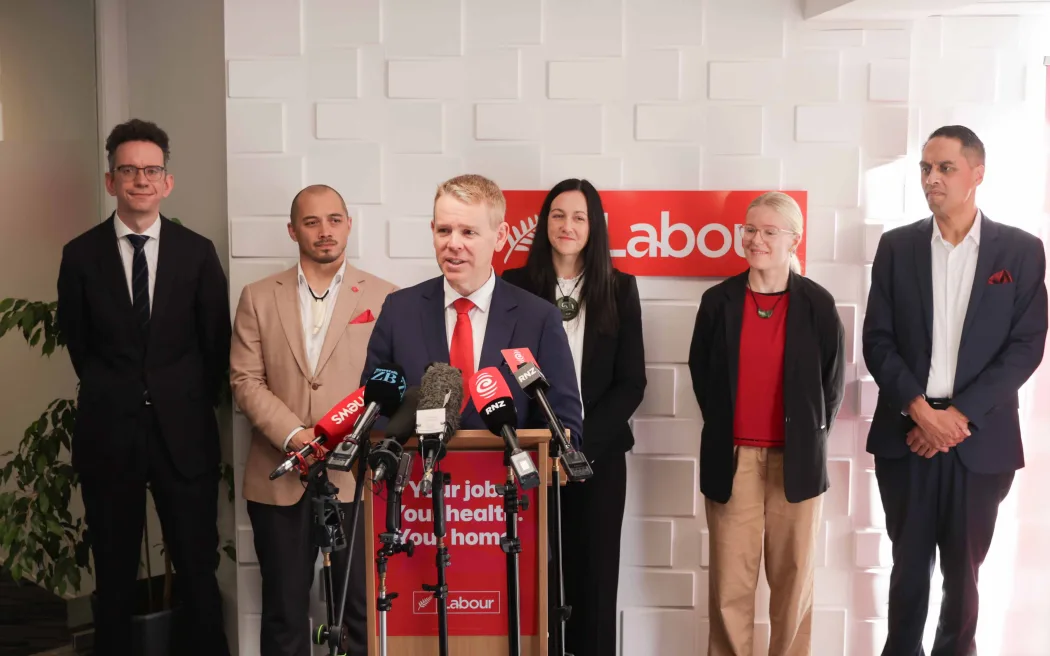
Party leader Chris Hipkins said it was tough putting together the list.

“There’s two Rhodes scholars, two Fulbright scholars – a couple of them are standing behind me actually – and a variety of experiences in all of our communities up and down New Zealand, from business to farming to the community sector to the public sector.

“Right the way through you will see a really rich diversity of candidates that we are putting forward.”

Hipkins said they expected to bring in at least 10 new MPs at the upcoming election.

Superintendent Rakesh Naidoo – the ethnic, iwi and communities relationships manager for police – has been almost guaranteed a seat at 13th, although he will be running as a list-only candidate.

“His current governance roles include FIFA Anti-Racism and Anti-Discrimination Committee, Sport NZ, and Gandhi Nivas Family Harm Services. He is former chair of the Wellington Interfaith Council,” a statement from the party said.
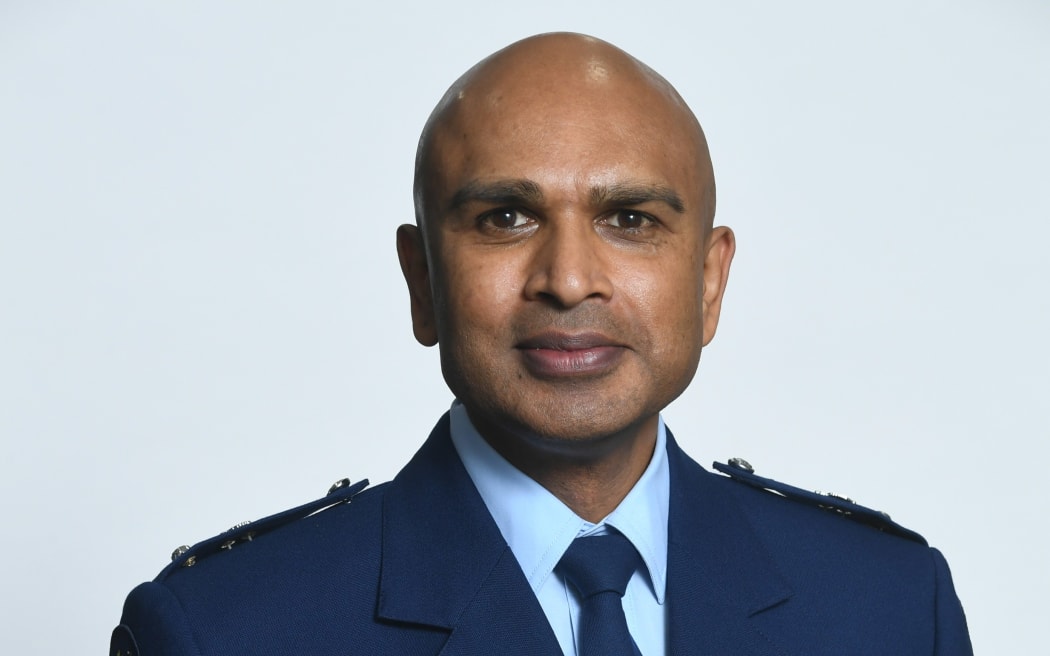
Superintendent Rakesh Naidoo has been with New Zealand Police for 21 years.

Superintendent Rakesh Naidoo has been almost guaranteed a seat at 13th, although he will be running as a list-only candidate. Photo: Supplied

Some current MPs face notable rank changes, with Cushla Tangaere-Manuel – the only Labour MP with a Māori seat electorate, in Ikaroa Rāwhiti – rocketing up 11 places to ninth.

Vanushi Walters – who was ejected from Parliament at the last election after being ranked 30th and losing her Upper Harbour seat, but who returned on the list after David Parker’s resignation – has continued her rise, moving from 12th to eighth.

Leader Chris Hipkins moved her up to 12th in his last reshuffle, and handed her meaty portfolios including foreign affairs, shadow attorney-general and the spy agencies.

Rachel Brooking has shot up eight places to 11th, but Camilla Belich – who is also a lawyer and has achieved some policy wins – has lost out, dropping four places to 23rd and is unlikely to win Epsom against incumbent David Seymour.

Deborah Russell is also in danger – dropping 11 places to 27th, she last contested the New Lynn electorate and lost it to National’s Paulo Garcia in 2023.

Hipkins said he had no concerns Russell would not make it back into Parliament.

“I’m absolutely confident Deborah Russell will be back in Parliament on those numbers. She’s a very, very valuable member of our team.”

Other high-ranking new candidates include union leader Chris Flatt in the Taupō electorate, who led the NZLP from 2009 to 2012 and has led the Dairy Workers Union since then.

Kingi Kiriona (Ngāti Ruanui, Ngā Rauru, Ngāti Apa, Ngāti Kahungunu) is a Waitangi Tribunal member, deputy chair of Te Māngai Pāho and will contest Hauraki-Waikato “with the blessing of the Māori Queen, Te Arikinui Kuīni Nga wai hono i te po”.

Sophie Handford, age 26, is the youngest on the list and previously helped lead the School Strike 4 Climate. She served two terms on Kāpiti Coast District Council and is contesting the Kapiti seat.

Lawyer and social justice campaigner Max Harris is trying for the Tāmaki seat won last election by ACT’s Brooke van Velden, who is also quitting politics.

Warrick Cleine is running list-only, and at rank 30 would need a strong party vote and enough Labour electorate losses to make it into Parliament.

Assistant Speaker Greg O’Connor is not on the list. He has held the Ōhāriu seat since 2017, but changes to electorate boundaries have eliminated the seat.

“He reflected on that over the weekend himself and made the decision that he didn’t wish to have his name put forward on the list,” Hipkins explained. “Greg has made this decision for himself and this has been an ongoing conversation that he’s been having with us since his seat was disestablished.”

Hipkins said it was O’Connor’s decision not to put his hand up again.

“Greg didn’t do anything wrong. His seat was disestablished. And ultimately, he made the decision that he didn’t want to have his name considered for the list.”

The only other sitting Labour MP not on the list is Christchurch Central MP Duncan Webb, who announced his retirement from politics in October, and is set to leave Parliament in August.

Former Cabinet minister Michael Wood is also expected to contest Mt Roskill again after losing the seat at the last election following repeated failures over two-and-a-half years to declare shares held in a trust.

In a statement, Day said the list showcased a “diverse, experienced team ready to deliver for New Zealanders”.

“New Zealanders are doing it tough and deserve a team that is on their side. The team we are putting forward today is focused on ensuring that working hard in New Zealand means getting ahead – that people can afford to live and build a future here at home.”

“National promised to fix the economy and the cost of living. They’ve made both worse. This election is a choice; a government focused on itself, or a team focused on the people of New Zealand,” Day said.

Labour’s 2026 list:

1. Chris Hipkins

2. Carmel Sepuloni

3. Barbara Edmonds

4. Willie Jackson (up from 5)

5. Megan Woods (down from 4)

6. Ayesha Verrall

7. Willow-Jean Prime (up from 8)

8. Vanushi Walters (up from 12)

9. Cushla Tangaere-Manuel (up from 20)

10. Kieran McAnulty (down from 7)

11. Rachel Brooking (up from 17)

12. Ginny Andersen (down from 9)

13. Rakesh Naidoo – new candidate

14. Tangi Utikere (down from 11)

15. Jan Tinetti (down from 10)

16. Damien O’Connor (up from 18)

17. Jo Luxton (down from 15)

18. Priyanca Radhakrishnan (down from 14)

19. Shanan Halbert (up from 28)

20. Chris Flatt – new candidate

21. Reuben Davidson (down from 13)

22. Kingi Kiriona – new candidate

23. Camilla Belich (down from 19)

24. Jenny Salesa (down from 23)

25. Glen Bennett (down from 21)

26. Sophie Handford – new candidate

27. Deborah Russell (down from 16)

28. Tracey McLellan (down from 22)

29. Max Harris – new candidate

30. Warrick Cleine – new candidate

31. Ibrahim Omer – returning candidate, lost Wellington central listed at 37th in 2023

32. Anae Neru Leavasa – returning candidate, lost Takanini listed at 48th in 2023

33. Georgie Dansey (down from 32)

34. Te Pūoho Kātene – new candidate

35. Naisi Chen – returning list candidate, listed at 33 in 2023

36. Dan Rosewarne (down from 31)

37. Rachel Boyack (down from 27)

38. Helen White (down from 30)

39. Ingrid Leary (down from 31)

40. Phil Twyford (down from 25)

41. Arena Williams (down from 24)

42. Lemauga Lydia Sosene (down from 31)

43. Kerrin Leoni – new candidate

44. Toni Boynton – returning candidate, lost Waiariki listed at 39th in 2023

45. Hannah Pia Baral – new candidate

46. Angela Roberts – returning candidate, lost Taranaki-King Country listed at 35th in 2023

47. Estefania Muller-Palarés – returning candidate, lost Whangaparaoa listed at 55th in 2023

48. Anahila Kanongata’a – returning candidate, lost Papakura listed at 34th in 2023

49. Gary Payinda – new candidate

50. Alex Hedley – new candidate

51. Craig Renney – new candidate

52. George Hampton – returning candidate, lost North Shore listed at 41st in 2023

53. Dominik Yanzick – new candidate

54. Rory Paterson – new candidate

55. Ashleigh Latimer – new candidate

56. Rata Jamieson – new candidate

57. Naresh Perinpanayagam – new candidate

58. Peter McDonald – new candidate

59. Amanda Clinton-Gohdes – new candidate

60. Myra Williamson – returning candidate, lost Hamilton West listed at 62nd in 2023

61. Kharag Singh – returning candidate, lost Botany listed at 66th in 2023

62. Janice Lee – new candidate

63. Sam Collins – new candidate

64. Sange Malama – new candidate

65. Rhieve Grey – new candidate

66. Karl Severinsen – new candidate

67. Henrietta Hunkin-Tagaloa – new candidate

68. Fisher Wang – new candidate

69. Brendan McEnroe – new candidate

70. Campbell Matthews – new candidate

71. David Pattemore – new candidate

72. Nathaniel Howe – new candidate

Source: RNZ

Continue Reading
Click to comment

Leave a Reply

Your email address will not be published. Required fields are marked *

Politics

Greens blast ‘backing the gangs’ election billboard ads

Published

on

The Sensible Sentencing Trust is “formally challenging” Green Party co-leader Chlöe Swarbrick to meet with it – and victims of gang violence – before the election.

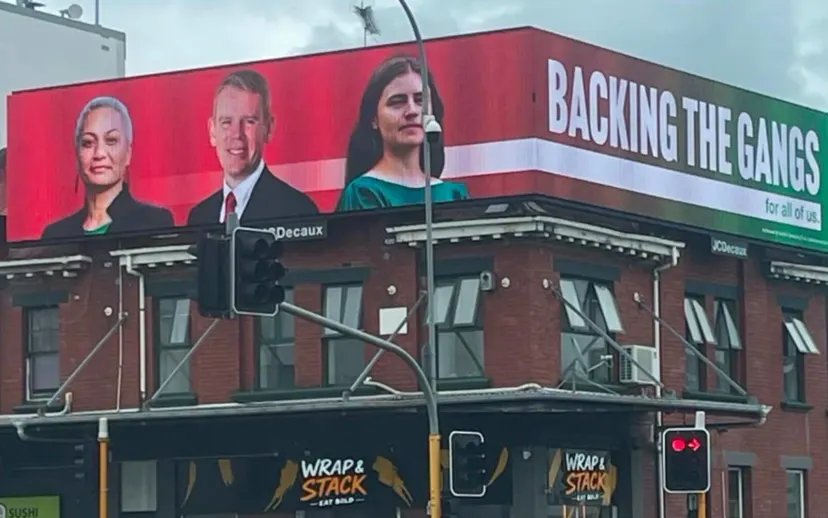
The lobby group launched election attack ads featuring both Green co-leaders Chlöe Swarbrick and Marama Davidson, as well as Labour leader Chris Hipkins, alongside the text “BACKING THE GANGS” above the Greens’ campaign slogan “for all of us”.

Swarbrick called the ads an “entirely new low” and called on Prime Minister Christopher Luxon to condemn the “despicable downgrading of democracy”.

The party complained to the Advertising Standards Authority (ASA).

JC Decaux, the media company that owns the billboards, told RNZ it had paused the ads while it reviewed the concerns raised.

Sensible Sentencing Trust spokesperson Louise Parsons said the Greens’ outrage over the ads was deeply hypocritical – citing its candidates campaigning with gang members.

“They defend meeting with the Mongrel Mob, smile for photos at gang pads, and have even floated funding the Mob to run drug programmes,” she said.

“They have never sat down with the country’s largest victims’ support and advocacy organisation.”

Parsons said the SST was “challenging” Swarbrick to a meeting.

“We are happy to arrange that meeting at any time. The victims are waiting. The question is whether she has the courage to face them.”

The billboard ads were created by the Campaign Company, owned by Taxpayers’ Union boss Jordan Williams.

The Greens said the SST was a Taxpayers’ Union “astroturf group” – that is, a fake grassroots organisation supporting the same cause.

SST spokesperson Louise Parsons denied that – “We certainly aren’t TPU at all” – but confirmed the involvement of Williams’ company.

“We just want to try and get our message across, and that’s what we’ve done,” she said. “We’re not going to make any apologies for that at all.”

Parsons said the ads were meant to warn voters against a Labour-led coalition, referring to a “spike” in crime under the previous Labour government.

“We are intent on not allowing them back in to do it again,” she said. “We’re trying to avoid further victims.”

The SST was also behind last year’s ‘Defund the police’ billboards, resembling Green Party campaign hoardings.

The Green Party complained to the ASA about those too.

In that case, the ASA upheld the complaints in part, saying the advertiser’s identity must be clearer to avoid confusion. It did not uphold complaints that the ads caused harm or offence.

A Taxpayers’ Union spokesperson said it did not create the latest ads.

“For a party demanding a clean campaign, even getting their facts right would be a good start,” they said.

The SST and the Taxpayers’ Union run a shared website called ‘We can’t afford Labour’.

Asked for his response to Swarbrick’s comments, a spokesperson for Luxon referred RNZ to the organisation responsible for the ads.

A Labour Party spokesperson said: “While this ad is nasty and untrue, we’re unlikely to make a complaint against it.”

The ads follow the saga involving Labour, Greens and Te Pāti Māori candidates campaigning with gang members.

Labour candidate Kerrin Leoni resigned, after Hipkins took a hard line on the matter, but the Greens and Te Pāti Māori have been unapologetic, saying they would not turn their back on gang whānau.

Source: RNZ

Continue Reading

Politics

MBIE confirms botched biometric projects costs blown out to $50.7 million

Published

on

A botched Immigration New Zealand project that has subsequently been abandoned has racked up costs of more than $50 million.

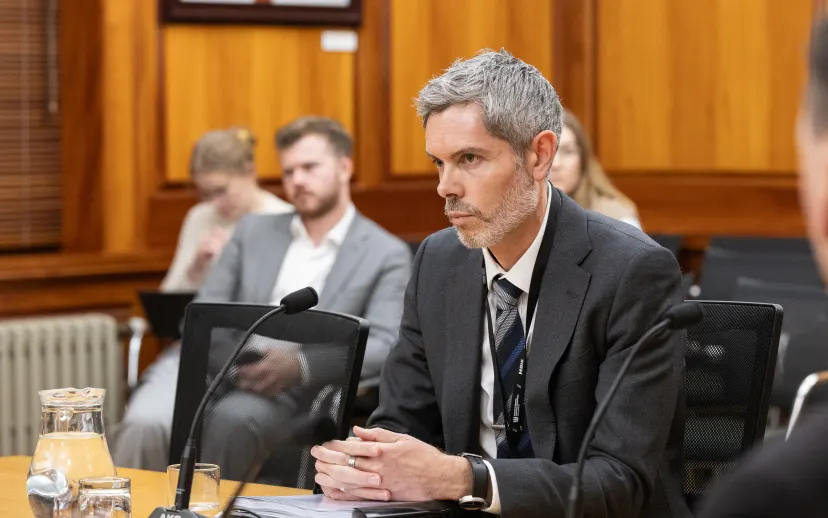
MBIE chief executive Nic Blakely appeared before MPs at select committee on Wednesday morning, the final sitting day of this parliamentary term, and confirmed $50.7 million of taxpayers’ money has now been wasted on the biometric capability upgrades.

Blakely could not promise the costs wouldn’t continue to balloon as more work was done to understand the mega ministry’s financial controls.

It has been recommended to ministers that an In Person Enrolment (IPE) project have its $8.7m costs written off, as it was associated with the Biometric Capability Upgrade (BCU) that has already failed and is no longer usable.

The BCU project has already had $42m of taxpayers’ money written off, and the ministry is unable to say what the cost of the eventual replacement project might be.

Blakely was found in contempt of parliament last month for deliberately misleading MPs about the failed IT projects.

He told the committee on Wednesday he deeply regrets the position MBIE has found itself in, and “I recognise that we have a mountain to climb to rebuild the trust and confidence of this committee and of the Parliament.”

“As chief executive, I take responsibility for the failures and I’m taking accountability by making the changes needed to strengthen the organisation. And I know that I will be judged on the results.”

“In response to these deeply concerning failures, I’ve set up a structured programme of assurance work. Since we were last before you, we’ve now completed a stocktake of 70 active technology projects,” Blakely told the committee.

“Going forward, we will report publicly on a quarterly basis on our technology portfolio, so there is open movement on whether our changes are improving performance.

“I’ll consider the Public Service Commission’s hearing report, findings, and take any necessary action, including employment actions where appropriate,” Blakely said.

Speaking to RNZ after the committee meeting Blakely said “trust gets rebuilt over time” and he hoped what MPs had seen was that the ministry is taking “very seriously” what has happened this year.

Blakely said he would remain in his job to fix the mistakes.

“So both these projects finished before I started. My job is to make the changes that are needed now in the organisation.

“The Public Service Commission has an inquiry into the integrity issues that have been raised by these two projects, and I’ll be looking at the results of that very closely. And if I need to take action, I will.”

Blakely told RNZ there were some staff still at the ministry who had worked on the failed projects, but they were below the senior second tier level.

Culture concerns at MBIE

Speaking to whether staff at MBIE felt comfortable speaking out about concerns at the ministry, Blakely said a culture survey had helped answer that.

“The most recent public service census on the question of do you feel safe to speak up showed that MBIE as a whole actually was above the public sector average, so I’m not sure we have something that is an endemic issue… from the stocktake, that shows we don’t have the same issues at all across the other projects.”

Blakely said the ministry has made it easier to “access the integrity line on our homepage on the intranet after June, and that has seen a jump up in people using that integrity line”.

“We currently have our annual culture survey that’s currently underway. We’ve got some specific questions in there about do people feel safe to speak up, and we’ll be looking at those results closely.”

Blakely said the number of reports requiring attention from the integrity line had increased from about 10-15 a month to between 20-25 a month.

In 2024, RNZ drew attention to major problems and delays plaguing the BCU.

An independent report – released by Immigration New Zealand (INZ) in June – identified major flaws in the department’s handling of the project, resulting in a waste of more than $30 million.

The report’s author Greg James said INZ launched the upgrade in 2018 without first conducting detailed analysis, then lacked due diligence when significantly rescoping the project in 2020.

He said officials persisted despite multiple red flags, including delays, missed milestones and significant inadequacies.

“Despite escalating costs, the project continued for several years before ultimately being stopped [in 2025], having delivered no measurable benefits while incurring significant cost overruns.”

The report found ministerial reporting throughout had been inconsistent: “at times overly optimistic, and occasionally misrepresenting the true status of the project”.

Immigration Minister Erica Stanford said this year’s Budget included a $31.2 million write-off of the project – that has since increased.

Further investigations by RNZ revealed senior INZ officials had repeatedly ignored requests from the minister’s office and progressed work on a project the minister hadn’t agreed to extra funding for.

Found in contempt of parliament

The privileges committee ruling that found Blakely in contempt prompted him at the time to offer his resignation to Public Service Commissioner Sir Brian Roche, but it was turned down.

Roche said he took several factors into account when weighing that decision, including that Blakeley had been fresh into his job and had unreservedly apologised for his actions.

During a select committee appearance in March, Blakeley was asked about the progress of a biometric upgrade programme but failed to disclose that the project had already been cancelled.

In its findings, the Privileges Committee said officials would have known their incomplete answers would leave MPs with a false impression.

“The limited manner in which the ministry answered questions… was intentional,” it said.

“We find that the ministry deliberately misled the Education and Workforce Committee and, in doing so, committed a contempt.”

The report said it was “alarming” that neither of the senior public servants were aware they could have requested to provide evidence in private or secret.

“We wish to be very clear: officials appearing before select committees have an absolute obligation to tell the truth. Being truthful, responsible, and acting in good faith is the very essence of public service.

“To fail to meet these obligations is an insult to the entire public service.”

Source: RNZ

Continue Reading

Politics

National vows to try to split Pak’nSave and New World

Published

on

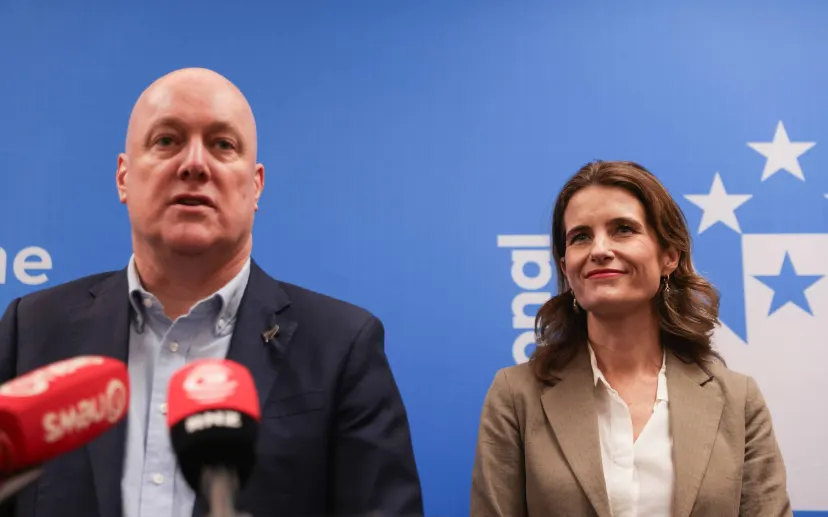
National has made a supermarket break-up a key part of its election pitch, proposing to sever Pak’nSave from New World in a bid to drive down grocery prices.

The significant policy was announced with little warning on Wednesday morning, and on the same day that Labour promised to ban big companies from charging excessive prices.

National’s plan would turn the company into supermarket chains: Pak’nSave, New World/Four Square and Woolworths.

The breakup, however, would be contingent on a six-month review by the Commerce Commission into whether the split would leave shoppers better off.

If the watchdog gave it the green light, National said it would legislate to force through the separation.

In a statement, finance spokesperson Nicola Willis said the shake-up could eventually save households up to $1320 a year, pushing down grocery prices about 5 percent lower than they would otherwise be.

The numbers came from a government-commissioned cost-benefit analysis also released today.

The modelling estimated prices would be about 3.5 percent lower in the first year of separation, with gains growing as the new chains bedded in. By 2035, the estimated annual household benefit ranged from $200 to $1320 depending on income and family type.

“That’s real money back in the pockets of New Zealanders,” Willis said.

“More competition means supermarkets have to work harder for every customer, on price, specials, range and service. That is how shoppers get a better deal.”

The independent report also carried some hefty warnings, with the economists warning their analysis was “indicative rather than definitive” and flagging potential “insurmountable” legal and implementation hurdles.

Willis stressed that National would act carefully on the Commission’s advice and not play “supermarket executive from the Cabinet table”.

“There is a very high bar for this kind of intervention and National is not pursuing structural separation in any other sector,” Willis said.

“However, after years of reviews and incremental reform, it’s clear the status quo isn’t working. It’s time for change.”

National said no individual Pak’nSave, New World or Four Square owner would be forced to sell or change brands.

Instead, the two Foodstuffs brands would be split into rival nationwide groups, with separate structures and incentives to compete against each other.

The Commerce Commission’s latest monitoring showed Foodstuffs and Woolworths still controlled about 82 percent of the grocery market, with little movement in the core measures of competition over the past year.

Source: RNZ

Continue Reading

Trending

Copyright © 2026 The Buzz: Powered by Apna Network Limited - Concept by Digital Hub NZ