The political year often ends in a rush, with tired politicians racing to get their projects done before the summer.
As with last year, here’s 12 pieces of legislation that are on their way to becoming law, but haven’t had much attention with the hustle and bustle of everything else going on.
Covering the paper trail: Foreign loans go legit
It’s a simple fixer job: six pages, some ink, and our little ‘illegal money’ problem goes away.
The Foreign Affairs (Consular Loans) Amendment Bill sounds like something out of a spy novel; it could conceivably be used to funnel funds to an agent on the lam, but it wouldn’t be black ops.
It allows embassies and other foreign diplomatic consulates to loan some cash to a New Zealander facing “exceptional circumstances” overseas: a dire need related to health and safety.
Those in the trade will know this kind of stuff’s been done for a quarter century, no big deal – the catch is it hasn’t technically been legal since the Public Finance Act was amended in 2013.
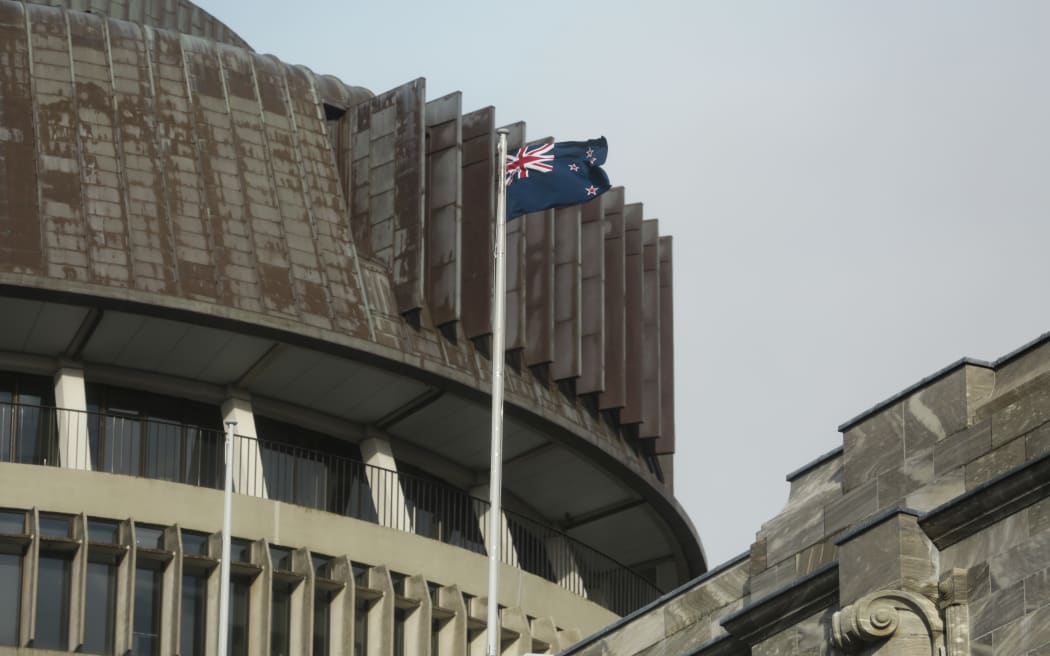
When the pandemic hit in 2020, officials lining up stacks more of these handy loans for flightless Kiwis realised they were in a bind, and flagged this little legal hiccup to their pals in the Beehive.
Couple years down the track, the government’s making things right with this tiny amendment – all up, under 500 words – which will make these loans legal in future, as well as all those since 2013.
The bill passed its first reading with unanimous support, and the select committee has reported back. Expect a quick, clean extraction from Parliament next year.
From medical implants to snake oil: Paving the drug superhighway
This law is big and important but like an unpatented cure-all the paperwork was rushed through: its first reading was done under urgency on the last sitting day of the year.
The need to repeal and replace the outdated Medicines Act 1981 with a more modern version – including regulations for “natural health products” – came to a head during the pandemic as the government worked to quickly import brand new antivirals and vaccines.
Health Minister Andrew Little says the Therapeutic Products Bill is one of the two main bits of health legislation that need modernising (the other part is mental health, being progressed next year).
It would have a heap of other side effects:
“The Therapeutic Products Bill will provide for the timely, comprehensive, risk-proportionate regulation of medicines, medical devices, active pharmaceutical ingredients, and natural health products, and it will also include cell, gene, and tissue therapies,” Little said in the House.
no captionPhoto: 123RF
“The bill will regulate how products are manufactured, tested, imported, promoted, supplied, and exported.”
It also aims to tackle some of the conspiracy theories that popped up around the Covid-19 vaccine and its approval process; will incorporate Todd Muller’s sunscreen safety legislation which came into force in September; and it could have repercussions for rongoā Māori (traditional medicine).
That last point left a bad taste in the mouth of Te Pāti Māori, which is why they’re the only ones who opposed it at first reading.
Little argues rongoā is already under regulation, and “what has been missing has been appropriate and respectful protection of rongoā”.
Submissions close on 15 February.
Conspiracy theorists’ case of mistaken Digital Identity
Speaking of conspiracy theories, the Digital Identity Services Trust Framework Bill is perhaps more interesting for what it doesn’t do than what it does.
The idea is to set up a regime companies and organisations can join to give online users more confidence their personal information will be protected.
It does this in two ways: setting up a Board and an Authority to make rules and regulations; and setting up an opt-in accreditation regime which organisations could sign up to. Those signing up would have to abide by the rules recommended by the board to the minister.
It’s not been high on in government’s priorities – the second reading back in May was interrupted by other matters, picked up again in late July, and it went through the Committee of the Whole House in December.
But that all came after the select committee which received about 4500 written submissions – 3600 of them in the final four hours, which the select committee attributed to misinformation campaigns on social media.
These were apparently drawing a link between the bill and the Covid-19 vaccine passes. The two are not related.
“Many submissions also compared this bill to social credit systems, centralised state control of identity (for example, the removal of physical driver licences), and moving to a cashless society using digital currencies. None of these ideas are related to the content of this bill,” the committee report says.
“This bill seeks to put a framework in place so that, when New Zealanders choose to disclose their private information to online companies, those companies protect that data appropriately.”
All it’s waiting for now is third reading and signoff from the Governor-General next year.
Fire in the (money) hole: Insurance to ensure FENZ funding
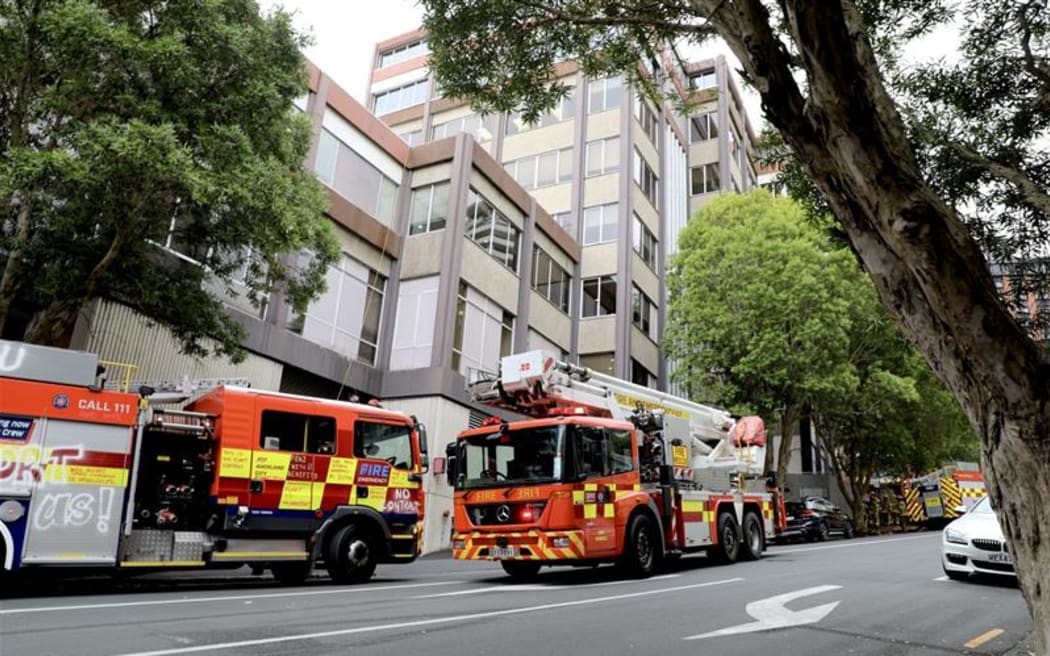
Firefighters are facing a lot of heat, and have needed to turn up the pressure on funding.
They recently secured a new pay deal after months of negotiations but there’s still problems with maintaining equipment, stations and vehicles, and planning for priorities.
FENZ was set up in 2017 after the Port Hills fires. It amalgamated 14,000 people from 40 separate organisations into a single national service, 97 percent funded through insurance levies.
It gets about $600 million a year from those, and an updated levy system included in the 2017 legislation is expected to start splashing cash from 2024.
Fire FightersFire and Emergency Photo: RNZ / Samuel Rillstone
A review suggested parts of it were too complex however, so the Fire and Emergency New Zealand (Levy) Amendment Bill makes minor changes to the way levies are calculated (e.g. changing from general insurance against property loss to fire-specific loss).
Labour argues it will simplify the system and make it more efficient; National says it shows how inefficient Labour is, having introduced the original 2017 legislation that’s now being amended and without even tackling the curly question of what rate the levy will be set at.
That decision is due to be made by sometime in 2026, and National says those paying the levy through insurance are not getting value for money in the meantime.
The bill burned through its first reading in September and the select committee reported back in mid-December.
Ancient law a hurdle for A&P Showgrounds
As faithfully reported by the local rag, the Hawke’s Bay Agricultural and Pastoral Association Empowering Bill is one of those weirdly specific law changes which only affects a tiny part of the country.
Basically, Hastings District Council wants to buy the vast majority of the showgrounds to manage as a reserve. The Hawke’s Bay A&P society wants to invest the money back into the community, but the old A&P Societies law from 1908 – yep, that’s right, 114 years old – requires such groups to reinvest money from the sale of showgrounds land into other land purchases. Verily, it all comes back to land ownership.
Labour’s MP for Ikaroa-Rāwhiti, Meka Whaitiri, is championing this bill through the House, aiming to have it done by the sale date: 1 April (no, that’s not a joke). Submissions for select committee close on 20 January.
Ye olde statute has made trouble like this before, with the government bringing in a fix for a similar deal in Southland back in 2006. One wonders whether a more robust examination of the dusty regulations may be warranted.
Take it to the bank (and elsewhere too?)
It may sound related to the “turd taxis” which roamed Wellington for four months in 2020, but the succinctly named Deposit Takers Bill instead aims to further clean up New Zealand’s monetary policy system.
It’s Finance Minister Grant Robertson’s third bill making changes to the Reserve Bank after the four-year-long review of the law. His rather dry first reading speech in September was unexpectedly dampened and punctuated by the smashing of glass in the debating chamber. “Never mind, it’ll clean up,” he said.
The bill itself takes a more active approach than that, setting out explicit principles to help the RBNZ ensure financial stability, including tougher rules and capital requirements for commercial banks to follow.
It also sets out a framework for managing the deposit-taking sector which would treat non-bank smaller players like credit unions the same way – something they said would be like a sledgehammer, killing off local lenders.
Such groups have been doing well of late but sector analysts have warned it’s important they survive into the future.
Submissions closed in November, with the committee reporting back in March.
With the cost of living continuing to grow, better financial stability must surely be a good thing; fingers crossed the government can avoid breaking anything in the process.
Cracking down on child predators online
A member’s bill from Labour’s Ginny Andersen, the Crimes (Child Exploitation Offences) Amendment Bill brings in new criminal offences.
It’s based on the so-called Carly’s Law passed in Australia in 2017, after the death of 15-year-old Carly Ryan some 10 years earlier at the hands of a serial paedophile who posed as a young boy online.
A recent study found seven in 10 New Zealand teens got unwanted digital communication over a year, with about one in five saying their daily activities were negatively impacted because of it.
The changes make it illegal for people over 18 to lie about their age or identity in order to meet up with someone under age 16, or to communicate with them with the intent to cause harm.
The bill originally proposed increasing the penalty for online grooming from seven to 10 years in prison, but this was dropped because it did not match with similar laws.
It hasn’t received much fanfare, probably because it’s not very contentious. As you might expect, politicians aren’t keen to be seen supporting child predators, and the bill’s been backed by all parties, waiting only on its third reading.
Covered, just in case
Politicians largely agree access reporting for ACC is a good idea. What they don’t agree on is whether a law change is needed to make it happen.
The Accident Compensation (Access Reporting and Other Matters) Amendment Bill would require ACC to carry out annual reports on how Māori and other population groups are accessing compensation.
ACC logoACC logo Photo: RNZ / Cole Eastham-Farrelly
Reports suggest people are largely treated the same when they get through the application process, the trouble is it’s harder for some to get to that stage: they may not know it’s available, it may simply be harder to access in their community, or a range of other systemic barriers.
Labour and the Greens say it’s clear minority groups aren’t being well served, and we need more reliable statistics to show how it can be addressed.
National says this is all well and good, but ACC did reports like this for about 30 years without the need for legislation, and Minister Carmel Sepuloni could simply instruct that it be done again. ACT says the move could add to costs.
The government wants this reporting embedded in legislation regardless. Green MP Jan Logie also highlighted ACC does not record disability status, and doing so would mean basic information would make it much easier to meet disabled people’s needs.
Submissions close on 10 February.
Safety in lower numbers
Health and safety is important, just ask the families of the 23 men killed in Pike River mine.
That tragedy led the then-National government to set up WorkSafe and a raft of other law changes, but businesses balked at the suggestion they might have to allow workers to elect a health and safety representative.
In the end, it was decided businesses with fewer than 20 employees were exempt from such elections unless they were in a “high-risk” sector.
Labour said that wasn’t good enough, and pledged in its election manifesto to reverse this exemption – its Health and Safety at Work (Health and Safety Representatives and Committees) Amendment Bill does just that, along with a few other changes.
It wouldn’t be “mandatory”, they say; businesses would just need to allow a vote if employees asked for it, and set up a committee if at least five asked for that.
National is sticking by its decision however, saying this would impose unnecessary costs and “high-risk” jobs are already covered.
Submissions close on 10 February.
Freedom camping in an omni-bus
“Freedom” camping – in a vehicle or tent within 200m of a road, parking area, coastline or Great Walks track – has been a tricky thing for councils to manage for some years, with complaints of leftover rubbish, damaged facilities, and threatening behaviour.
The government’s Self-contained Motor Vehicles Legislation Bill follows up on the Freedom Camping Act 2011.
It’s an omnibus bill – meaning it makes a range of changes to several current laws – which aims to clear up the regulations and make it easier – particularly for dealing with “non-self-contained” vehicles which have a tendency to simply dump their … waste.
no caption.Only vehicles with built-in toilets would be able to camp in public places under the law. Photo: Supplied.
The changes would mean only those vehicles with a fixed toilet could legally stay on land managed by a local council, and the Plumbers, Gasfitters and Drainlayers Board will be in charge of certification. It also makes it easier for councils to chase up and charge offending vehicles.
“The days of the dodgy vehicle are now numbered,” Tourism Minister Stuart Nash said.
National says it’s almost identical to a bill proposed by their MP Maureen Pugh two years ago but doesn’t get it quite right. They say it imposes cost on “mum and dad New Zealanders” with a campervan and it would make more sense to have certification done by Waka Kotahi.
The debate got a bit personal too – with MPs revealing a bit about their personal lives including a campervan named “Campy”, and a cycle tour round the South Island with a busted arm.
The select committee has finished hearing submissions and is expected to report back by 2 March.
At ease? Quick march…
Who watches the watchmen? Who takes complaints about the armed forces?
The Defence Force had to apologise in 2020 after being found to have provided inaccurate information to ministers and the public for “a number of years”.
The Operation Burnham inquiry found they were not plotting to cover up the deaths of five civilians including a child, but organisational and administrative failings meant inaccuracies were repeated.
Chief of Defence Force Air Marshall Kevin Short acknowledged more needed to be done to hold NZDF accountable.
The inquiry recommended the government set up an independent watchdog, and the Inspector-General of Defence Bill does just that.
Appointed for five years with the option to extend by another three, the inspector-general would report to the defence minister and have powers to investigate incidents, and assess and suggest improvements to policies and procedures.
You might think National would support a measure proposed by an independent inquiry, but they argue there are already safeguards, changes have been made since the inquiry, and the money could be better spent elsewhere.
Submissions closed in early November; the select committee is set to report back on 21 March.
Seeing the wood for the cash-money
If a tree falls in the forest and no one’s around to see you chop it into little pieces and sell it for a huge markup, can anyone do anything about it?
Forestry Minister Stuart Nash says how New Zealand handles illegal timber harvesting has been a matter for debate since before he entered politics.
His Forests (Legal Harvest Assurance) Amendment Bill aims to set up an assurance system to cut down the practise and protect our imports and exports with a certification and validation system.
It would bring New Zealand into line with similar moves in Australia, the United States, Indonesia, Republic of Korea, Japan, Vietnam, and China.
The bill is an example of bipartisanship: a government bill, and all parties who spoke at first reading supported it. The select committee has given the bill its own stamp of approval too, with some modifications.
Source – RNZ







 Latest News2 months ago

 NZ News2 months ago

 Politics2 months ago

 Latest News2 months ago

 Fiji News2 months ago

 NZ News2 months ago

 Politics2 months ago

 Latest News2 months ago