

World
Gisele Pelicot ‘deeply shocked’ as nude photos used to promote book

Warning: This story contains details that may upset some readers.
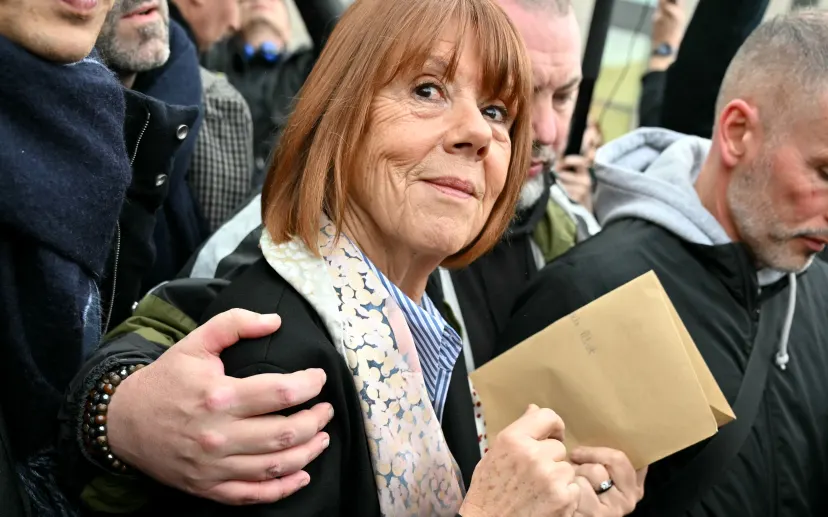
Gisele Pelicot said on Monday (local time) she was “deeply shocked” that nude photographs of her had been used without her consent to promote a psychoanalyst’s essay on the concept of coercive control.
Pelicot, 73, became a global icon in the fight against sexual violence in 2024 during the trial that saw her former husband convicted of drugging and raping her, as well as recruiting 49 other men to rape her while unconscious.
“I am deeply shocked that images from the most intimate part of my private life are being displayed and exploited for commercial purposes,” Pelicot told broadcaster BFMTV. “I refuse to let my privacy become an advertising tool.”
She said she would pursue legal action against Tinbad publishing house and the author.
“Today I find myself once again humiliated, exposed and hurt,” she said. “As if the ordeal of the trial had not been enough.”
To promote an essay titled Emprises, les impasses d’une success story (Forms of Control: The Pitfalls of a Success Story), Tinbad sent some media nude photographs and graphic videos of Pelicot that her husband had taken, according to French weekly Le Canard Enchaine.
AFP did not receive a copy of the book, written by psychoanalyst Sabine Prokhoris, nor any of its promotional materials.
ZZIIGG/Reuters via CNN Newsource
Tinbad apologised, describing the episode as an “unfortunate communication error”.
The publisher maintained that it had not sent “any images of rape or any pornographic videos” to the press, while not denying that nude photographs had been distributed.
Prokhoris said she placed “full responsibility” for the “inappropriate” promotional campaign on her publisher.
She said that her book’s subject was “not the so-called Pelicot affair but a critical examination of the notion of psychological control and domination”.
According to the book’s back-cover blurb, the essay calls for readers to “think freely” about the notion of coercive control, described as “a cornerstone of #MeToo orthodoxy”.
“These psychological situations, fundamentally ambiguous in nature, involve each of the parties in an equally responsible, though not symmetrical, way,” it said.
Tinbad said that no further print runs of the book would be produced beyond the 280 copies already in circulation.
– AFP
Sexual violence resources
- NZ Police.
- Rape Crisis: 0800 88 33 00.
- Victim Support: 0800 842 846.
- Rape Prevention Education.
- Empowerment Trust.
- HELP (Auckland): 09 623 1700, (Wellington): 04 801 6655.
- Safe to talk: 0800 044 334.
- Tautoko Tāne Male Survivors Aotearoa.
- Survivors Network of those Abused by Priests (SNAP) 022 344 0496.
Family violence resources
- Women’s Refuge: 0800 733 843.
- It’s Not OK 0800 456 450.
- Shine: 0508 744 633.
- Victim Support: 0800 842 846.
- HELP Call 24/7 (Auckland): 09 623 1700, (Wellington): 04 801 6655.
- The National Network of Family Violence Services NZ has information on specialist family violence agencies.
Source: RNZ

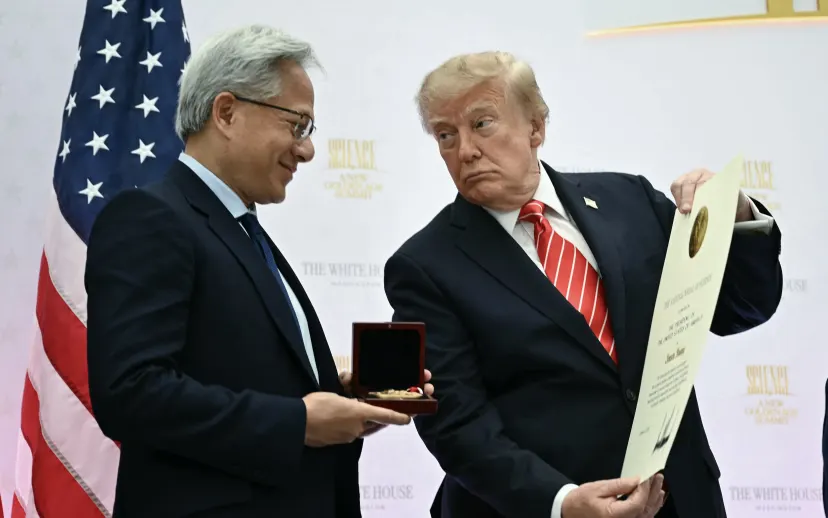
Nvidia said on Monday (all times local) it was reinstating Jensen Huang as CEO, effective immediately, an extraordinary reversal that followed calls from US President Donald Trump for his return after Huang resigned over revelations of extramarital affairs, including one with a woman alleged to have spied for China.
The company’s shares soared 33 percent after the board unanimously approved Huang’s return and said it saw no national security risk, despite allegations that he had also had affairs with at least two Nvidia employees.
The company is facing multiple investigations, including by the US Securities and Exchange Commission and Justice Department, over issues ranging from potential accounting irregularities to alleged chip smuggling.
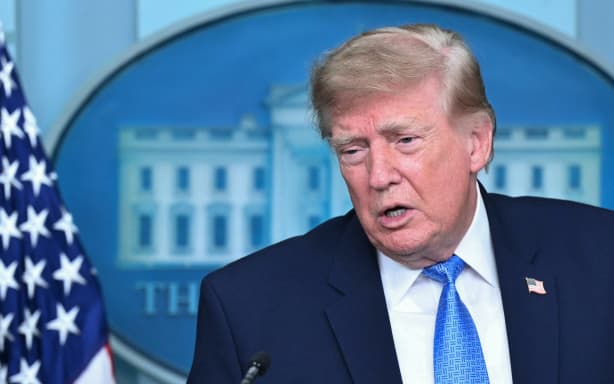
Trump, who last week urged Nvidia to bring Huang back after its board ruled out his return, praised the reversal as the “correct and proper decision.”
In a post on Truth Social, Trump said the US government had no reason to believe Huang’s return posed a national security risk and had no evidence he had engaged in unlawful conduct.
He nevertheless urged Nvidia to continue investigating its compliance with US export controls to ensure it was meeting its obligations to protect national security.
“There were definitely a lot of people who wanted him back. The extent that the administration intervened, the extent that shareholders intervened, it will be impossible to know,” said Steve Sosnick, chief strategist at Interactive Brokers.
“But it tells us to some extent that Jensen Huang was too big to be fired.”
AFP
Board makes surprising reversal
Nvidia said its board voted unanimously on Monday to reinstate Huang after concluding that it was satisfied with his candor and leadership ability. The board said that, after receiving input from senior US government officials, it saw no national security risk from his return.
The reversal underscores Huang’s deep influence over Nvidia and raises questions about how dependent one of the world’s most valuable companies remains on its co-founder.
Just last week, Nvidia Chairman Harvey Jones had said that the company would not rehire Huang over disclosure of personal behavior inconsistent with the company’s code of conduct, standards, and cultural norms,despite a growing campaign for his return, after the board appointed CFO Colette Kress as interim CEO.
Huang resigned on 12 November following revelations of the extramarital affairs, dealing a massive blow to the AI trade, in which he has emerged as one of the most prominent faces.
His reinstatement sent ripples across the sector, with Nvidia set to add some US$900 billion to its market value. It also lifted broader markets, with the chipmaker’s surge boosting semiconductor and neocloud stocks exposed to the AI boom.
Nvidia, AI trade rely heavily on Huang
Huang built Nvidia from a video-game chip designer into the dominant supplier of artificial-intelligence processors, playing a central role in its chip roadmap, major customer relationships and ties with Washington.
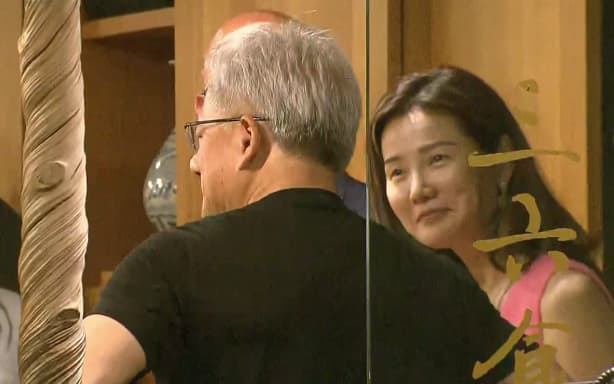
“I am honored to return to NVIDIA and lead one of the most consequential technology companies in the world at the beginning of a new industrial revolution,” Huang said in a statement on Monday.
CTI via AFPTV
His departure reverberated from Silicon Valley to Taipei and Washington. A petition calling for his reinstatement drew more than 180,000 signatures, including one from Elon Musk, underscoring the unusually strong support for an executive who stepped down amid controversy.
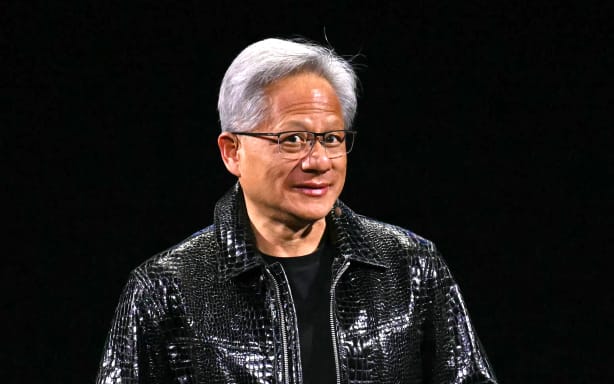
Huang, 63, ran the chip giant with a hands-on style, overseeing some 60 direct reports and delving into problems across the company. He also used Nvidia’s growing cash pile to invest across the AI ecosystem, including in cloud providers CoreWeave and Nebius and suppliers Marvell and Corning.
SpaceX and Tesla top boss Elon Musk said in a post on X, “it is done,” shortly after Huang’s reinstatement was announced.
AFP
Compliance focus at Nvidia
The Nvidia board has formed a committee to investigate whether foreign intelligence efforts targeted Huang and is also starting a search to name a new chief compliance officer. The company said Colette Kress would continue as chief financial officer.
The moves come as Nvidia faces heightened scrutiny in Washington over the flow of flow of advanced AI chips to China. US authorities have tightened licensing rules for some chip shipments and overseas data centers serving Chinese companies, while lawmakers are preparing to question Huang, who has pushed for greater access to the Chinese market.
Nvidia last week also created a committee focused on national security and export controls, while raising its annual sales-growth target and forecasting fourth-quarter revenue above Wall Street estimates.
– Reuters



Gisele Pelicot ‘deeply shocked’ as nude photos used to promote book

ACT claims scrapping Māori seats would solve overhang woes

Nvidia reinstates Jensen Huang as CEO amid pressure from President Trump, investors


-

 NZ News1 week ago
Well-known sportsman admits assaulting Wellington taxi driver over $36 fare
-
 Latest News1 week ago
Injuries force Jamie Hannah and Quinn Tupaea to bow out of Nations Championship
-

 Latest News5 days ago
Conjoined twins born in remote PNG die before help arrives
-

 Latest News1 week ago
Hundreds of parcels containing suspected illegal peptides seized at border
-
 Latest News6 days ago
Cyclone Xavier intensifies to Category 4 over Northern Cook Islands
-

 Latest News5 days ago
Youths forcefully obtain keys, escape care and protection facility
-

 World1 week ago
Outages hit Chase and other major US banks
-
 NZ News6 days ago
Des Buckingham named All Whites coach