

NZ News
The message was about a real parking fine – but they lost thousands in a scam



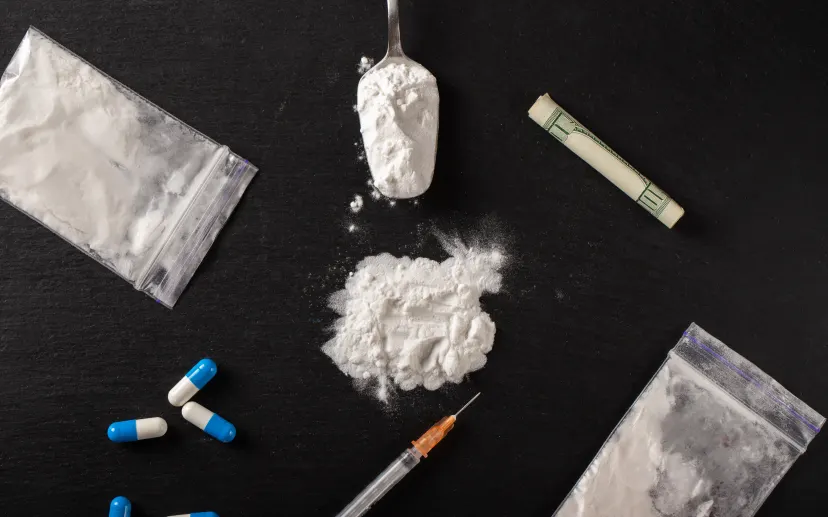
More people are being charged for low-level drug offending than ever in the last decade, despite a 2019 law change telling police not prosecute unless it’s in the public interest.
Authorities had been told to consider a health-centred approach instead, but data collated by the Drug Foundation shows more than 4200 people were charged for unlawful possession or use in 2025 and 2026 period.
Of those cases, 960 had possession or use as the only charge they faced.
In the same year, 15 people were imprisoned for drug possession or use alone.
The maximum penalty for possession or use is three to six months in prison depending on class, or a fine of $500 to $1000.
Dave Burnside is the lived experience leader at Odyssey Trust, an addiction treatment service based in Auckland.
He said the trend was worrying.
“Particularly when most of the world is turning to a health not handcuffs approach and recognising the futility of criminalising drug use particularly and possession,” he said.

Supplied / Odyssey Trust
Burnside had his own experience with the system, where minor cannabis charges led him on a downward spiral to other offending and prison time.
“It gave me a criminal record, it affected my opportunities in terms of employment, travel, education and other things,” he said.
“I ended up spending considerable time in jail over my life, and the offending increased.”
It was only when Burnside was able to get treatment later in his life that he was able to break free from that world.
“There are alternatives that exist, and we’re just not using them,” he said.
He said there needed to be investment and provision for treatment options, as well as a shift in perception.
“One of the key things is that criminalising people, charging more people, imprisoning more people does not make communities safer,” Burnside said.
“Those people will come out, they will have lost any sort of employment, any housing, any supports that they’ve had and be expected to rebuild that with very little support.”
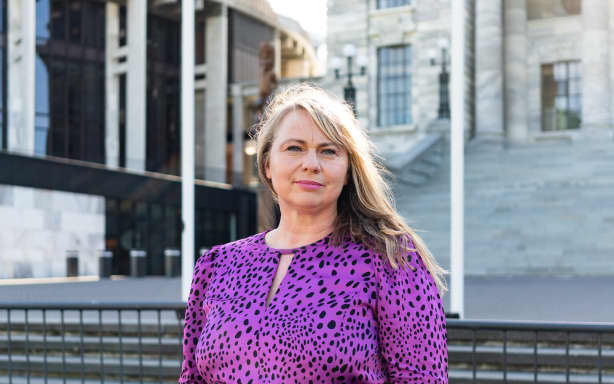
Supplied/ NZ Drug Foundation
Executive director of the Drug Foundation, Sarah Helm, said over the period covered by the report, consumption of meth and cocaine had surged, as did the harm it caused.
“It does pose the question whether or not it is in the public interest to continue prosecuting for drug use and possession,” she said.
The report also highlighted that Māori were charged with drug offences nearly five times more than the rate of non-Māori in the last year.
Helm said that was the tip of the iceberg.
“The disparity grows as you move into convictions and imprisonment, with almost 60 percent of people imprisoned for drug crime are Māori.”
Police’s Greg Williams of the National Organised Crime Group investigates the most serious level of drug and gang offending.
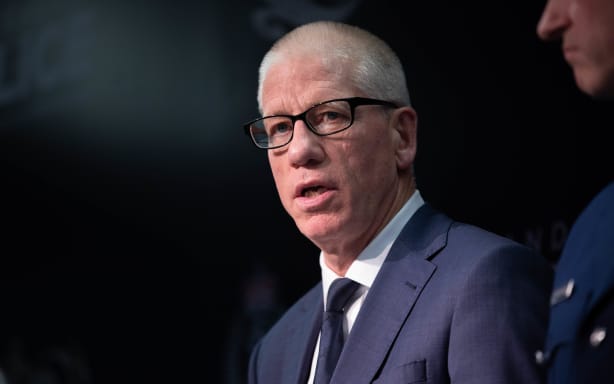
RNZ / Angus Dreaver
He said those who were charged with minor drug offences were often also facing more serious crimes.
“What you’re seeing in that charging data is a lot of examples of [possession of a drug utensil] but the reality, even the report accepts this, is that it was associated with other more serious offending,” he said.
“You can talk about people charged, but actually what this report fails to realise is the other resolutions that occur around the back of this.”
Williams said from the start of July 2021 to the end of July 2026 there had been 12,429 people charged with drug offences who went through non-court action, like diversion and warnings.
Police wanted to see more investment in treatment programmes also, but enforcement was still needed against those at the top of the drug trade, he said.
“We believe there’s that need to provide that support to people who have that addiction the opportunity to get off it, because they really want to get away from it.”
rnz

Youths at a Christchurch care and protection facility have escaped more than once in the past week after forcefully obtaining keys from staff.
On each occasion the youths remained close to the residence and were found.
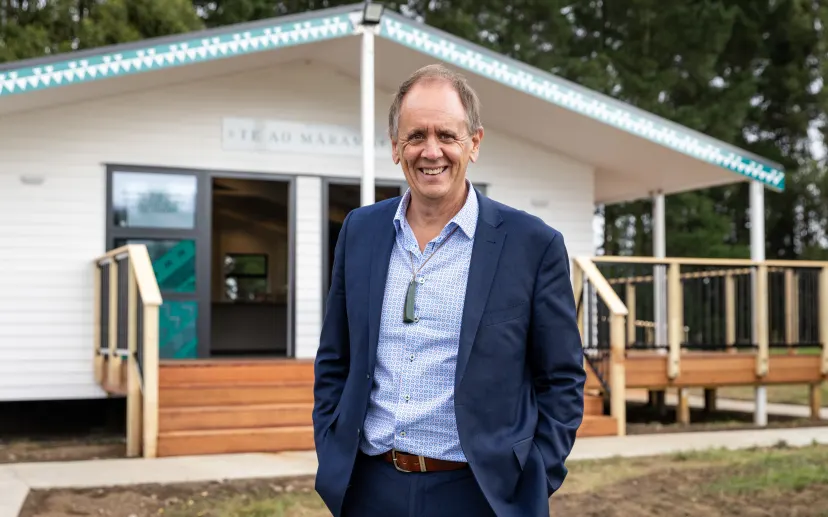
An internal investigation is now underway into what happened at Te Poutama Ārahi Rangatahi – a care and protection facility run by Barnardos Aotearoa.
According to Barnardos Aotearoa’s website, it is a “comprehensive, integrated therapeutic residential treatment programme for boys aged 12-18 with at-risk behaviour”. They are referred to the facility by Oranga Tamariki.
Do you know more? Email sam.sherwood@rnz.co.nz
Barnardos Aotearoa CEO Matt Reid confirmed in a statement to RNZ that over the past week “serious incidents” took place in the facility involving youths “obtaining keys through force and absconding”.
“Oranga Tamariki was notified and also involved in offering ongoing support to Barnardos. Police were also involved and continue to support.
“The rangatahi involved are now safe and secure.”
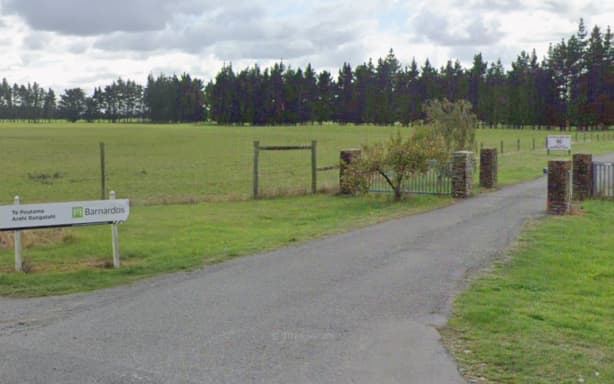
Supplied / Google Maps
Reid said following the recent incident, Barnardos Aotearoa had focused on the safety and wellbeing of the youths and staff on site.
“Following our usual processes, we have an internal investigation underway.”
RNZ asked how many incidents there had been, and how far the youths got.
In response, a spokesperson said the incidents were currently under a “thorough internal investigation”.
“And part of this is to understand exactly what has happened. What we can confirm at this stage is that over the past week, serious incidents took place in our facility involving rangatahi in our care obtaining keys through force and absconding, and each time, they remained close to our residence.”
Asked why they could not say how many times, the spokesperson said the statement was “all we are prepared to comment on at this stage”.
Canterbury Police’s rural area commander inspector Peter Cooper told RNZ Police had been called to the facility “multiple times in the last week”.
“The nature of the incidents varies and include reports of youths absconding and assault. One instance reported on Friday, 13 November has resulted in a charge for assault and a 14-year-old will appear in the Christchurch Youth Court today.
“Police are aware of the ongoing concerns for the behaviour of some residents and continue to support staff at the care facility when required.”
An Oranga Tamariki spokesperson said they had been notified of the incidents.
“We are actively working with Barnardos to provide support.”
Barnardos Aotearoa said all youths who come through Te Poutama were “under the care of the state and have been referred by Oranga Tamariki for specialist support”.
“Rangatahi who come through Te Poutama have faced complex and often traumatic experiences, many have lived through things no child should ever have to.
“Barnardos provides 24/7 care, therapy, and education to help those rangatahi understand the reasons behind their behaviour, heal from trauma, and develop the skills they need to thrive.”
rnz


’Fought until she couldn’t’: Globally adored hippo Fiona dies after eating hat

Cricket: Nicholls century resurrects Black Caps on day one of first test against India

Last decade sees more people charged for low-level drug offending than ever


-
 NZ News5 days ago
Well-known sportsman admits assaulting Wellington taxi driver over $36 fare
-

 Latest News4 days ago
Injuries force Jamie Hannah and Quinn Tupaea to bow out of Nations Championship
-

 Latest News4 days ago
Hundreds of parcels containing suspected illegal peptides seized at border
-

 World4 days ago
Outages hit Chase and other major US banks
-
 Latest News3 days ago
Cyclone Xavier intensifies to Category 4 over Northern Cook Islands
-

 Latest News4 days ago
Punch-up between staff member and young person at youth justice facility
-

 Latest News2 days ago
Conjoined twins born in remote PNG die before help arrives
-

 NZ News2 months ago
Cop who stole $68,000 can now be named as champion Muay Thai fighter Haimona Tamati-Te Paki