Connect with us

HTML Image

i

NZ News

Search for Wakatū descendants amid New Zealand’s longest-running Māori land case

Published

on

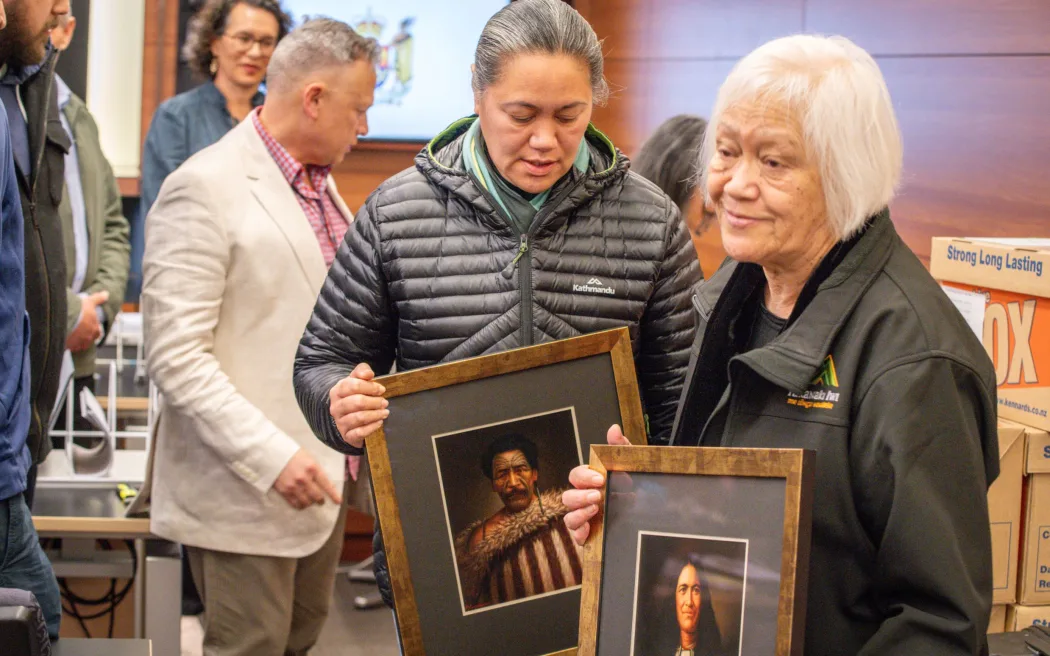
As Māori in Nelson await a decision in the country’s longest-running property dispute, the Wakatū Incorporation is working to reconnect with thousands of descendants of the original 300 customary landowners.

The Supreme Court ruled in 2017 that the government must honour a land deal struck in the 1830s between the New Zealand Company and Māori in the Nelson region.

A 10-week hearing was held in the High Court last year to determine the extent of the breaches and the remedies, with a decision expected in the coming months.

Growing up, Jeremy Banks (Ngāti Rārua, Ngāti Koata and Rangitāne o Wairau) was not closely connected to his whakapapa.

Born in Blenheim, he knew he was a descendant of Rangitāne o Wairau, but little beyond that.

“I grew up in Central Otago and we knew we were Māori but we didn’t necessarily know what that meant, just every now and then we would jump in a car and drive all night to get to a tangi, hang out with the cousins, kiss a thousand different aunties and then bundle in the car and go back home again.”

That changed as he got older, and again when he had his own tamariki.

“It’s really been tightly entwined with our whānau journey. My wife and I decided to raise our children speaking te reo Māori and that was a fairly light decision that had some fairly heavy consequences… it has been a continuous, interesting and rewarding journey since then.”

That reconnection journey saw Banks and his wife move to Nelson to raise their children.

“We live a minute’s walk from my girls’ marae and so they spend a lot of time there, they are very involved and very close to all of their cousins and their uncles and aunties, but even the identity bit – their understanding of who they are, is just a completely different thing to what I grew up with.”

Banks is on the Wakatū board and gave evidence at last year’s High Court hearing about the importance of whakapapa and what the model for receiving redress could look like.

His family, like many others, was disconnected from their whenua in the top of the South Island, after the land promised to Māori by the New Zealand Company was not reserved as intended.

“Part of the original deal was that we got to hold on to where we lived, where we sustained ourselves – what we would call an asset base in modern day terms, so with that taken away we were impoverished and we had to leave, to move to areas where we had relatives, in the North Island often, just to survive really.”

It was a similar story for Taranaki woman Rangimokai Knuckey (Te Ātiawa, Ngāti Tama, Ngāti Mutunga, Ngāti Toa, Ngāti Rārua, Ngāti Koata).

“Two generations before me were disconnected from their Māoritanga, from their whakapapa and knowing anything about marae, hapū, iwi, but my mum made a decision to put me into bilingual [education] so I’ve been one of the first in my generation to sort of bring us back over.”

A chance meeting in Taranaki with a whānau member from Nelson led to the discovery of her whakapapa in Te Tauihu (the top of the South Island).

“I was in a part of my journey where I was definitely looking for information about who I am and being a person who is at the marae all the time and our kaupapa Māori, it was important to me to find out where I came from and what has happened in my history.

“Being the first generation to reconnect has been a hard road. We’ve had lots of whānau who have kept their connection from generation to generation and they have actually helped me to link back in.”

Last year, Knuckey came to Nelson for a wananga organised by Wakatū to learn more about her great-grandfather on her father’s side.

During one presentation, the group was asked if they recognised any other names in a list of ancestors.

“I said, yes that’s my tūpuna from my mum’s side and I thought it’s just amazing that I’ve come down here thinking this was my father’s side and to find out my mother also had some down there. Unravelling each layer was just amazement after amazement.”

The formation of the Wakatū Incorporation

When the government agreed to return the remnants of the Nelson Tenths Reserves in 1976, the customary owners were given the choice of becoming an incorporation or a trust, or to leave the administration of the land in the hands of the Crown-appointed Māori Trustee.

The majority voted in favour of establishing an incorporation and Wakatū was formed in 1977. It now has around 4000 shareholders who are descendants of four iwi: Ngāti Koata, Ngāti Rārua, Ngāti Tama, and Te Ātiawa.

It has grown its asset base from $11 million in 1977 to a current value of more than $350 million. That includes land and waterspace assets, food and beverage business Kono, and health and wellbeing products.

Since the Supreme Court ruling in 2017, a small whakapapa and research team have been dedicated to tracking down the descendants of the 300 Māori named as customary landowners in Nelson, Motueka and Golden Bay in the 1890s.

Wakatū Incorporation chief executive Kerensa Johnston (Ngāti Tama, Ngāruahine and Ngāti Whāwhakia) said it was hard to define the exact number, but it was likely to be in the tens of thousands.

“We’ve had a project underway for a number of years to essentially find the descendants of those original tūpuna and where we can, bring them back into the whānau here in Te Tauihu.”

She said it was common for people to know they belonged to one particular iwi – but the nature of whakapapa meant there were connections across a number of hapū and iwi.

“From an ahi kā (long-burning fires of occupation) perspective, our whānau and hapū are still very much here, our families are here but because our history, because of what happened following colonisation, a number of our families were scattered to the four winds.

“That has been the focus of the project – those ones that for whatever reason left Te Tauihu, how can we reconnect them back?

“Sometimes we get people literally turning up on our doorstep who don’t know very much at all but they might have a piece of paper or a reference, a death certificate or something that indicates that they are part of our hapū and iwi and the team is able to bring them in, sit down with them and spend a lot of time with them research and finding out who they are and how they fit in and that has been quite transformative.”

Johnston herself is a descendant of an original landowner, but was raised in the North Island.

“We knew that we had whakapapa to the top of the south but I didn’t really know how that worked and who the families were or how I connected.

“It was really as a result of the programmes that Wakatū invests in that I was able to reconnect with my family here and for me that has been really transformative.”

That led to her family moving to Nelson 10 years ago, which enabled more whānau connections, a pattern she had seen with many others.

The incorporation is now awaiting a decision as to remedies in the Nelson Tenths case, after almost 15 years of litigation.

She hoped it would honour the original vision the ancestors had when they agreed to the settlement of Nelson: “That we would prosper and thrive together as a community and that our land, which for us is such a sacred taonga, would be protected and cared for according to our values.”

Source: RNZ

Continue Reading
Click to comment

Leave a Reply

Your email address will not be published. Required fields are marked *

Latest News

Police say person who fired gun at officers still at large

Published

on

Police say a person who fired a gun at officers in Napier is still at large.

Eastern District Commander Superintendent Joel Lamb said Police tried to stop a vehicle in the Pirimai Area at about 10pm on Tuesday.

He said someone in the back seat pointed what was presumed to be a firearm at officers pursuing the vehicle.

“Staff have then heard two distinct gunshots as the firearm was discharged.

“Fortunately, neither of our officers were injured, and the patrol vehicle did not sustain any damage.”

He said hours later, the vehicle was seen travelling north on the Waikato Expressway towards Auckland.

Police seized the vehicle at an address in Manurewa, but they had not found the alleged offender.

Lamb said people who lived at the Manurewa address were engaging with Police.

He said Eastern District and Counties Manukau Police were making enquiries.

“Presenting a firearm at a Police officer is a serious escalation that puts our staff and the wider community at risk. This behaviour is entirely unacceptable.

“We are taking this incident extremely seriously and will be pursuing all lines of enquiry to locate the offender and hold them accountable.”

Police asked anyone who witnessed the incident to contact Police on 105 or online using the reference number 261111/3764.

Information could also be provided anonymously via Crime Stoppers on 0800 555 111.

rnz

Continue Reading

Latest News

New Zealand sides named for RLWC finals

Published

on

The players tasked with ending Australia’s Rugby League World Cup dominance have been named.

The Kiwis and Kiwi Ferns have announced their squads for this Sunday’s World Cup finals in Brisbane.

Both sides are chasing their first titles since 2008, and both are looking to end their opponents run of three crowns in a row.

“Our Kiwi Ferns have been so dominant in years gone by, and we want to bring dominance back to this jersey, so I think it will be a case of who wants it more,” said co-captain Georgia Hale of the impending clash.

The Kiwis get a major boost for the final as they welcome back Ronaldo Mulitalo after he served a one-match ban for a high tackle against Fiji Bati.

Mulitalo replaces Charnze Nicoll-Klokstad, who moves to the six-man bench, which again includes utility Te Maire Martin, middle forwards Naufahu Whyte, Erin Clark and Xavier Willison plus fullback Keano Kini.

Loose forward Joseph Tapine will make his 30th Test appearance in a familiar pack again, including second-rowers Isaiah Papali’i and Briton Nikora, and props James Fisher-Harris and Moses Leota.

Winger Jamayne Isaako is on the cusp of claiming the New Zealand record for most Test points.

His five goals against Tonga lifted his career points tally to 225 – level with Shaun Johnson – while centre Casey McLean goes into the final with 16 tries in just eight Tests.

Fisher-Harris will again captain the team.

Fullback Ponga said the goal of the group was clear.

“We have high expectations around what we want to achieve, and obviously winning a world Cup is one of them.”

Meanwhile, Ricky Henry has selected a settled side to take on the Jillaroos, led by their lethal centre combination of Stacey Waaka and Mele Hufanga.

Veteran Apii Nicholls takes the number one jersey, Leianne Tufuga and Mackenzie Wiki on the wings.

Henry has stuck with his halves pairing of Chantay Kiria-Ratu and Raecene McGregor with Alexis Tauaneai, Georgia Hale and Otesa Pule up front.

Rounding out the starting pack is Shaniece Monschau, Kaiyah Atai, and Angelina Teakaraanga-Katoa.

“We have been building well throughout the tournament; we understand the Jillaroos side, and will give it our all to make New Zealand proud this weekend,” said Henry.

RLWC Finals:

Kiwi Ferns vs Jillaroos- 6.10pm

Kiwis vs Kangaroos – 9.35pm

Sunday November 15

Suncorp Stadium, Brisbane

Live blog updates on RNZ

Kiwi Ferns:

1. Apii Nicholls 2. Leianne Tufuga 3. Mele Hufanga 4. Stacey Waaka 5. Mackenzie Wiki 6. Chantay Kiria-Ratu 7. Raecene McGregor 8. Alexis Tauaneai 9. Georgia Hale 10. Otesa Pule 11. Shaniece Monschau 12. Kaiyah Atai 13. Angelina Teakaraanga-Katoa.

Interchange: 14. Ashleigh Quinlan 15. Annessa Biddle 16. Shannon Mato 17. Ivana Lauitiiti.

Reserves: 18. Brooke Anderson 19. Zahara Temara 20. Brianna Clark 21. Abigail Roache 22. Tenika Willison.

Kiwis:

1. Kalyn Ponga, 2. Jamayne Isaako, 3. Dane Gagai, 4. Casey McLean, 5. Ronaldo Mulitalo, 6. Kodi Nikorima, 7. Jahrome Hughes, 8. James Fisher-Harris (c), 9. Jeremy Marshall-King, 10. Moses Leota, 11. Isaiah Papali’i, 12. Briton Nikora, 13. Joseph Tapine (v/c).

Interchange: 14. Te Maire Martin, 15. Naufahu Whyte, 16. Erin Clark, 17. Xavier Willison.

Reserves: 18. Keano Kini, 19. Phoenix Crossland, 20. Charnze Nicoll-Klokstad, 21. Scott Sorensen, 22. Leo Thompson.

rnz

Continue Reading

Latest News

Opportunities to mitigate multi-million-dollar RNZ budget blowout likely missed – experts
Published

on

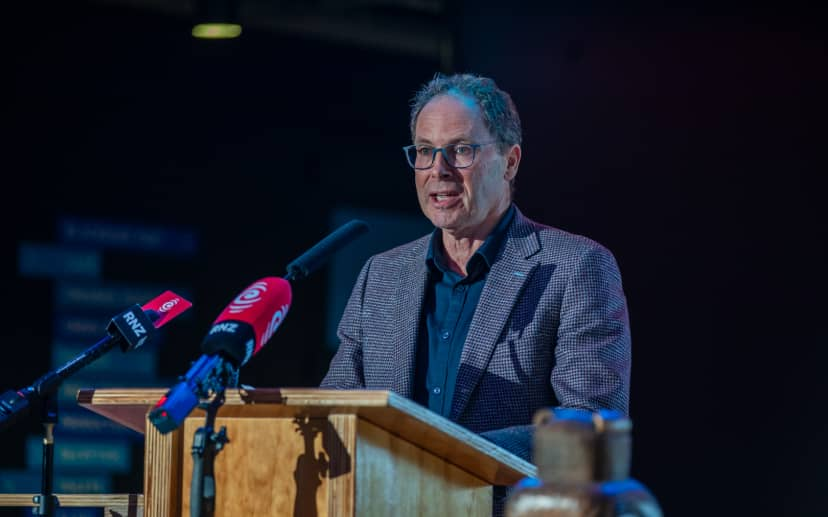
Multiple opportunities to identify and mitigate a multi-million-dollar budget blowout at RNZ appear have been missed, according to the former executive director at Audit New Zealand.

The public broadcaster on Monday revealed a near $12 million shock financial loss after a litany of financial blunders, which will now lead to sweeping job cuts.

The $11.8m loss is more than 25 times the $470,000 RNZ had expected to lose over the year to June.

CEO Paul Thompson took responsibility for the result, and said internal reports gave an inaccurate picture of the finances, meaning the scale of the loss only became clear in October.

RNZ’s former chief financial officer Hilary Parker resigned unexpectedly in early October.

The board said it would commission an independent review into what went wrong.

Independent contractor Stephen Walker, who left the Audit Office earlier this year, said the size of the loss was surprising, as was the length of time it took to identify it – months after the financial year ended.
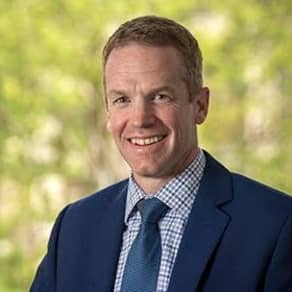
Stephen Walker.
Independent contractor Stephen Walker is a former executive director at Audit New Zealand.

Supplied / OAG

“Probably more of a concern is that they had seemingly been unaware that they were running up a significant deficit until they were in the preparation stage of their annual report in October.”

Walker said public entities typically produced monthly financial reports.

An interim audit also took place before the end of the financial year, he said, but if the organisation hadn’t identified significant losses at that stage, the auditor could also be in the dark.

“It seems that there’s a real weakness in forecasting and budgeting that’s occurred here and that the monthly accounts, when they’re produced, either haven’t identified these significant variances against budget or the magnitude of them really hasn’t come to light until right towards the end of the financial year,” Walker said.

“And really at that point, there’s no opportunity for the chief executive, the leadership team to take, and the board to take, any corrective action because the year has effectively been completed.”

Walker said the “significant miss” was difficult to account for given it was more than 10 percent of RNZ’s total funding.

He said based on RNZ’s annual report, financial complexity didn’t appear to be a factor.

“This $11.8m loss isn’t made up of one particular item … it seems to have been contributed to by a number of separate expense lines running over budget. So I don’t think it’s necessarily to do with complexity.”

Among the errors, RNZ wrongly counted $2m from land sales as income in its budget. Staff costs also came in $3.2m over budget, including $1.4m in redundancy payments.

Professor at Auckland University’s business school Norman Wong said based on media reports the issues identified were “significant and troubling”.
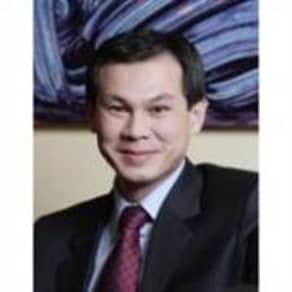
Norman Wong.
Norman Wong.

Supplied / University of Auckland

“But recognising the sale of land as income in their budget is a basic error that one would have expected to have been caught and corrected well before it got to this point.”

With funding reductions at RNZ over the past two years, Walker expected greater scrutiny of financial results.

“Virtually every public entity has had their annual budget reduced. And so you would expect … the leadership team on a monthly basis and board – I’m not sure how frequently the board will consider the information – but you would expect them to be interrogating the results on a regular basis throughout the year,” he said.

Walker said initiating an independent review was the correct course of action and that he’d want to understand what information the leadership team and the board were regularly receiving.

He said he’d “love to say” surprising financial results were rare, but conceded they occured on a semi-frequent basis during his time leading the Audit Office.

“The benefit of independent scrutiny by the Audit Office – and the auditors providing that support to the Auditor General – [is] that the reporting is fairly presented at the end of the year, whether it’s good, bad or ugly.”

rnz

Continue Reading

Trending

Copyright © 2026 The Buzz: Powered by Apna Network Limited - Concept by Digital Hub NZ