

Sports
Former Liverpool manager Gerard Houllier dies at the age of 73.


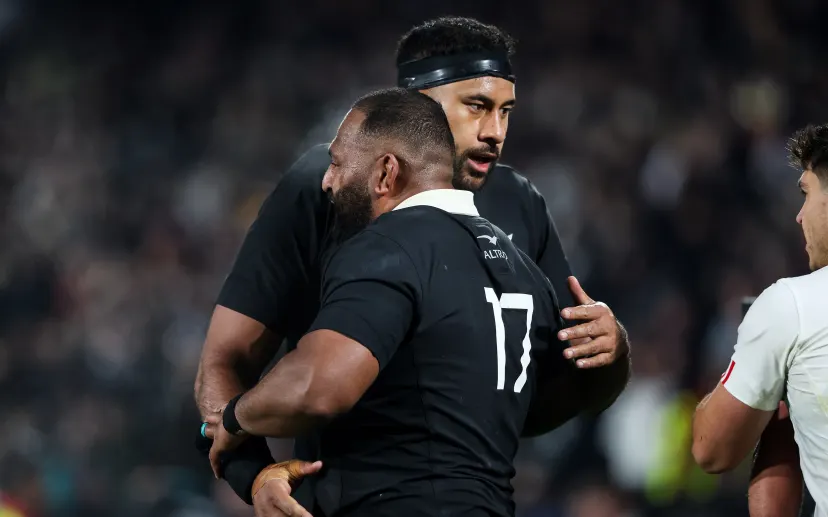
All Blacks coach Dave Rennie has made several changes from the team that beat the Springboks at Ellis Park for Sunday morning’s second test in Cape Town.
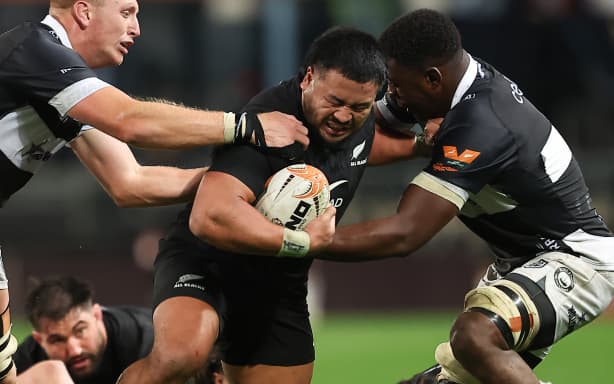
Prop George Bower, who helped steady the All Blacks scrum after coming off the bench in last weekend’s 33-16 win in Johannesburg, replaces Ethan de Groot, who is out with concussion, in the starting front row.
Codie Taylor and Tyrel Lomax are retained at hooker and prop respectively.
Tupou Vaa’i moves from blindside to lock, replacing Josh Lord, who was also ruled out of the second test following a head clash with de Groot last week at Ellis Park.
Vaa’i will partner with Fabian Holland in the second row.
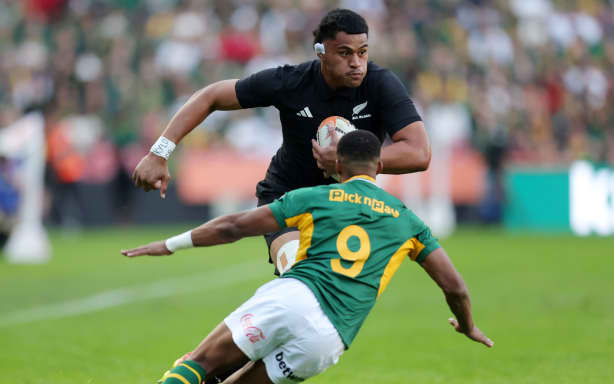
Samuel Shivambu/BackpagePix
Chiefs loose forward Simon Parker gets the nod at blindside flanker, filling the spot left vacant by Vaa’i’s move to lock. Parker beats out the likes of Wallace Sititi and Ethan Blackadder, who was man of the match in Wednesday’s win over the Lions.
Ardie Savea captains the side from No.8 with Luke Jacobson at openside.
Hurricanes front rower Xavier Numia comes onto the bench to provide prop cover, while veteran Patrick Tuipulotu has been named in the reserves to cover lock.
In the backs, there is one change from last week’s team, with Leroy Carter taking over on the left wing from Josh Moorby, who drops to the bench.
The backline remains the same bar the change on the wing, with Cam Roigard at halfback, Ruben Love at first-five, Jordie Barrett and Quinn Tupaea in the midfield.
Damian McKenzie, who will be playing his 34th consecutive test, is at fullback with Will Jordan, the All Blacks all-time leading try scorer, on the right wing.
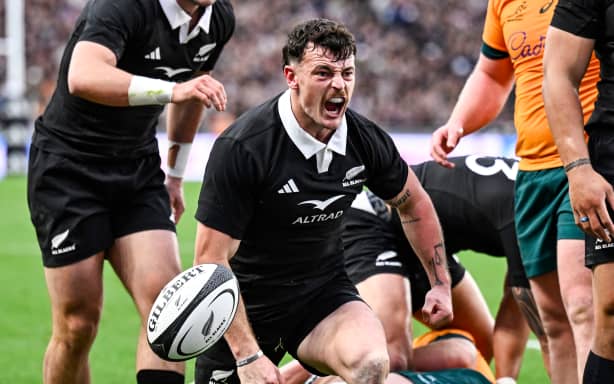
Andrew Cornaga/www.photosport.nz
Jordan extended his record to 53 tries last weekend, joining English winger Rory Underwood in sixth place on the men’s international test try-scoring list.
Japanese winger Daisuke Ohata holds the record with 69 tries.
Rennie said there’s fierce competition for spots in the matchday 23 and he expects both teams to improve on their performances last weekend in Johannesburg.
“While we were happy with the win last week, I think both teams will be better this weekend,” Rennie said.
“We’ve played four tests this year and are still growing as a group. I’m really excited about the competition for places and the performances of the squad across the matches here in South Africa, and we’re really looking forward to this weekend.”
Asafo Aumua is the reserve hooker, Fletcher Newell and Numia the back up props, with Peter Lakai the one loose forward on the bench, which also includes midfielder Anton Lienert-Brown and halfback Kyle Preston, who has played all five of the All Blacks games in South Africa so far.
Ron Gaunt/www.photosport.nz
The All Blacks lead the four test series 1-0 and know a win in Cape Town this weekend would heap even more pressure on the hosts and go a long way to securing a series victory.
The All Blacks have played South Africa 111 times, for 64 wins, 43 losses and four draws.
The All Blacks will be playing only their second ever test match at DHL Stadium, with all ten previous Cape Town tests played at the old Newlands Stadium.
New Zealand won seven of those 11 previous tests against the the Springboks in Cape Town, with the last win nine years ago in 2017.
The Springboks won the most recent test, beating the All Blacks 31-27 in 2024.
This weekend’s second test kicks off at 5:10am Sunday (NZT).
All Blacks match-day 23 (Test caps in brackets)
1. George Bower (27)
2. Codie Taylor (110)
3. Tyrel Lomax (52)
4. Fabian Holland (13)
5. Tupou Vaa’i (48)
6. Simon Parker (9)
7. Luke Jacobson (28)
8. Ardie Savea (110) – Captain
9. Cam Roigard (21)
10. Ruben Love (9)
11. Leroy Carter (8)
12. Jordie Barrett (82)
13. Quinn Tupaea (27)
14. Will Jordan (58)
15. Damian McKenzie (78)
16. Asafo Aumua (23)
17. Xavier Numia (2)
18. Fletcher Newell (38)
19. Patrick Tuipulotu (57)
20. Peter Lakai (11)
21. Kyle Preston (2)
22. Anton Lienert-Brown (91)
23. Josh Moorby (3)
rnz
Sports
A majority Māori and Pacific All Blacks squad shows how far rugby’s ‘greatest rivalry’ has come

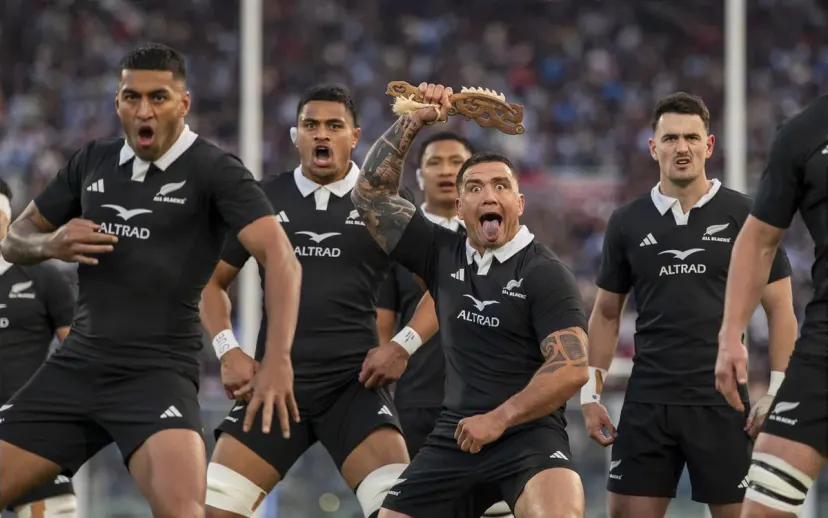
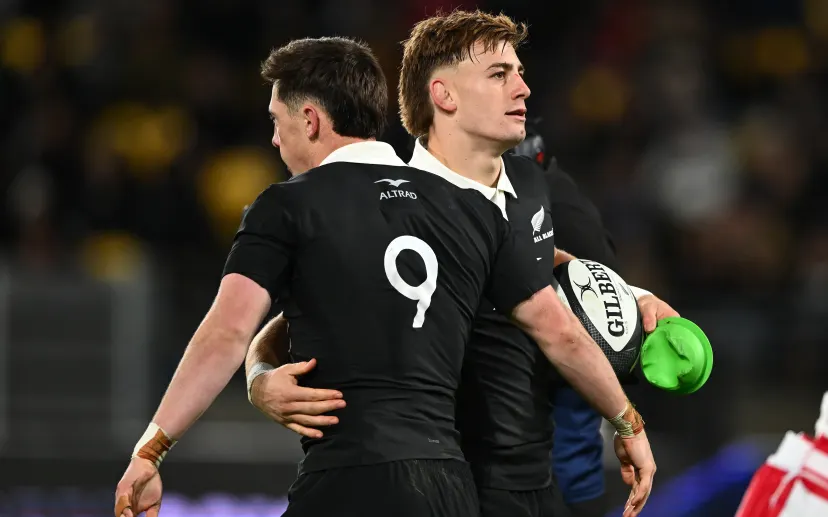
The All Blacks have recalled several star players with Cam Roigard, Will Jordan and Damian McKenzie named to start in this weekend’s test against the Springboks in Johannesburg.
The trio return from injury to take their place in the side while Ardie Savea resumes the captaincy duties after being rested for the first three games of the South African tour.
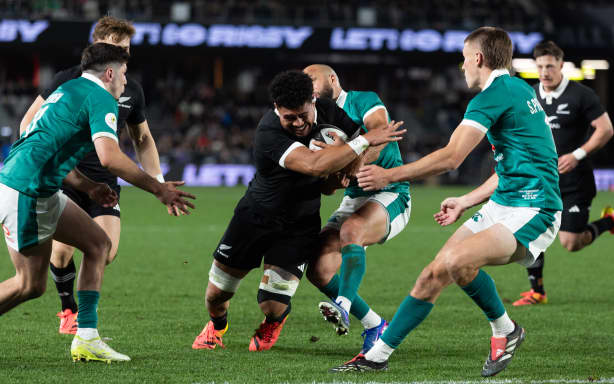
Savea is at No.8 with coach Dave Rennie retaining the loose forward trio from last month’s win against Ireland, with Luke Jacobson at openside and Tupou Vaa’i at blindside.
Brett Phibbs / www.photosport.nz
Codie Taylor is at hooker with Tyrel Lomax and Ethan de Groot the starting props.
There was plenty of speculation as to who would play lock and Rennie has gone with Fabian Holland and Josh Lord in the second row, with Vaa’i to provide cover.
In the backs, Roigard returns at halfback with Ruben Love at first-five and Jordie Barrett and Quinn Tupaea in the midfield.
McKenzie has overcome the ankle injury that ruled him out of the win over the Bulls last weekend and will start at fullback, with Jordan and Josh Moorby on the wings.
Rennie has gone with a 5-3 split of forwards and backs on the bench, which includes front rowers Asafo Aumua, George Bower and Fletcher Newell, loose forwards Peter Lakai and Anton Segner, midfielder Anton Lienert-Brown, halfback Kyle Preston and outside back Leroy Carter.
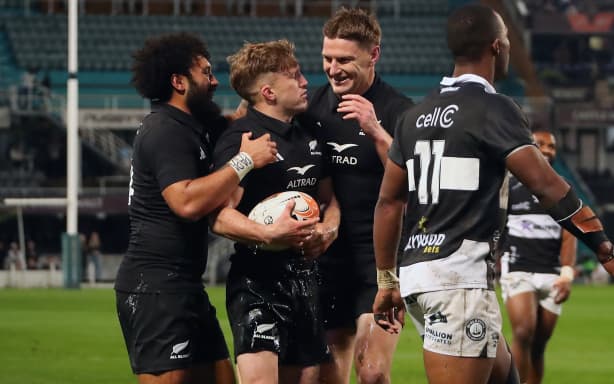
Photosport
Rennie said they can’t wait to run out on Ellis Park on Sunday morning (NZT).
“After all the build up and anticipation, our whole touring squad is excited to get this first Test underway,” Rennie said.
“We have selected a balanced mix of big match, experienced players and younger players who have earned the right to play in this first Test.”
Rennie said the three games against the Stormers, Sharks and Bulls in South Africa have proved invaluable as they prepare for their biggest challenge of the year so far.
“The first three franchise games have exposed our newer players to the way South African teams play and have been fantastic in helping us build combinations and develop the game we want to play.
“We know the Test series will be a huge step up. We’re well aware of what the Springboks will bring to the contest and the pressure that will come to bear. They are number one in the world, playing at their spiritual home in front of their passionate fans, so we will have to be at our very best on Saturday.”
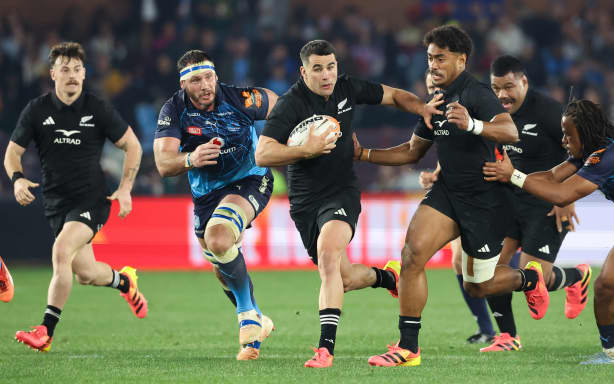
Photosport
Savea, Roigard and Jordan will make their first appearance of the tour in the match, while Savea and Taylor are playing their 110th Tests.
It will be Savea’s 18th Test against South Africa and Taylor’s 17th.
Segner and Moorby will be playing the Springboks for the first time.
Kick off is 3am NZT on Sunday morning at Ellis Park in Johannesburg.
All Blacks match-day 23 (Test caps in brackets) :
1. Ethan de Groot (43)
2. Codie Taylor (109)
3. Tyrel Lomax (51)
4. Josh Lord (15)
5. Fabian Holland (12)
6. Tupou Vaa’i (47)
7. Luke Jacobson (27)
8. Ardie Savea (109) – Captain
9. Cam Roigard (20)
10. Ruben Love (8)
11. Josh Moorby (2)
12. Jordie Barrett (81)
13. Quinn Tupaea (26)
14. Will Jordan (57)
15. Damian McKenzie (77)
16. Asafo Aumua (22)
17. George Bower (26)
18. Fletcher Newell (37)
19. Anton Segner (2)
20. Peter Lakai (10)
21. Kyle Preston (1)
22. Anton Lienert-Brown (90)
23. Leroy Carter (7)
RNZ


Bower, Parker and Carter into All Blacks starting XV for second test against Springboks

‘Horrifying’: NZ-based Nepali community pleads for urgent help

Police continue hunt for those behind Wattle Downs suspected double homicide


-

 Latest News2 months ago
RNZ investigation finds uranium, lead in black-market tobacco
-

 Latest News2 months ago
Kaixiao Liu’s journey from failed China’s Got Talent contestant to Auckland mystery death
-

 NZ News2 months ago
Fresh drone shots show extent of weather damage to SH1 near Kaikōura
-

 NZ News2 months ago
Gulf Harbour trial: Leader of fringe religious group and wife guilty of kidnapping and manslaughter
-

 Sports2 months ago
Paraguay knock Germany out of World Cup on penalties in major upset
-
 Sports2 months ago
Anzac Day Bledisloe Cup internationals confirmed for All Blacks
-
 Sports2 months ago
‘They’ll bring everything’ – All Blacks don’t consider France a ‘B’ team
-
 NZ News2 months ago
Caregiver who was jailed for raping elderly woman and sexually assaulting another named