New Zealand’s Free Trade Agreement with the United Kingdom, which will eventually eliminate tariffs on all kiwi exports to the country, will come into force at the end of the month.
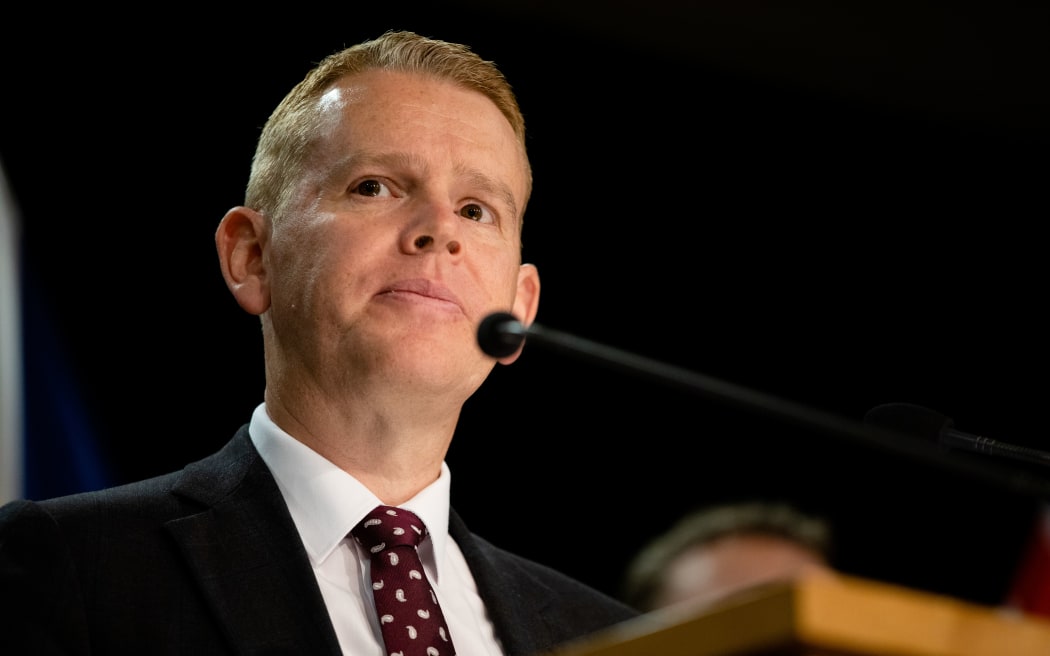
Prime Minister Chris Hipkins made the announcement in London overnight.
“Now New Zealand exporters have an amazing opportunity to really take it to the world and I am confident that they’re up for it.”
The agreement is predicted to boost New Zealand’s economy by $1 billion annually.
From 31 May, tariffs on more than 97 percent of exports, including wine, honey and onions, will be eliminated.
It will take up to five years for dairy and 15 for sheep meat and beef tariffs to be completely removed, although those industries will enjoy duty-free quotas in the meantime, with quota volumes gradually increasing over time which vary by industry.
New Zealand will eliminate tariffs on all UK-originating goods from 31 May.
The FTA also includes commitments to address environmentally harmful subsidies like those for fossil fuels or overfished stocks and to protect ka mate haka.
Hipkins said from the end of the month, New Zealand exporters would save about $37 million per year in tariff elimination, giving them a “much-needed boost.”
“The UK is New Zealand’s seventh largest trading partner and a crucial market for some of our key exports, so this should really help our economic recovery.”
British Prime Minister Rishi Sunak said the implementation of the FTA marked a “new chapter” in the relationship between the UK and New Zealand.
“This deal will unlock new opportunities for businesses and investors across New Zealand and the UK, drive growth, boost jobs, and most importantly build a more prosperous future for the next generation, ” Sunak said.
New Zealand and the UK started FTA negotiations in June 2020. An in-principle agreement was reached in October the following year, the UK’s second free trade deal since Brexit.
After the agreement was signed in February, both countries had to pass legislation enabling the deal.
New Zealand’s Parliament did so in November but Hipkins said the Queen’s death and political turmoil in the UK delayed the process in Britain.
“A lot of things happened at the end of last year, which slowed things down at this end, understandably,” Hipkins said.
“Late last year it became apparent, we could be waiting some time for ratification. So it’s faster than what we thought it might have been. But obviously not as fast as we might have hoped when the when the deal was first put in place.”
Hipkins and Sunak will meet at Downing Street late on Friday night.