Connect with us

HTML Image

i

Lifestyle

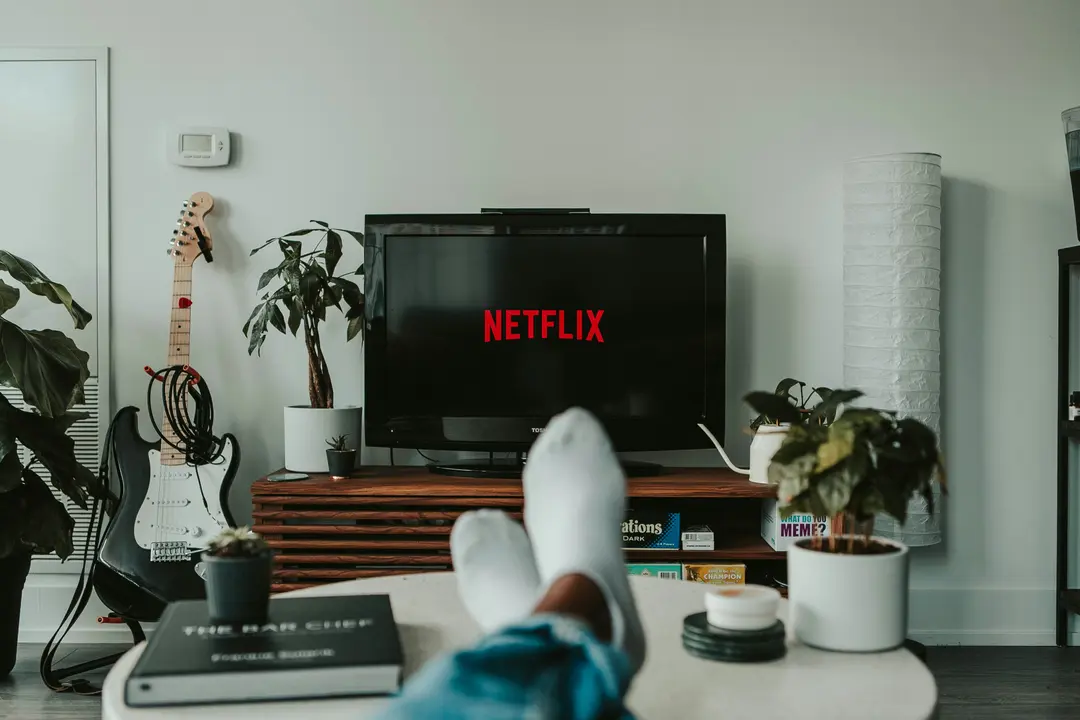
How a decade of Netflix has changed how we watch TV in New Zealand forever

Published

on

Ten years ago, streaming video broke like a tidal wave over New Zealand.

Global giant Netflix introduced its streaming service to Aotearoa in March 2015, and how we watch what we used to call just plain old “TV” has never quite been the same.

Netflix wasn’t the first streamer to hit NZ – Spark’s long-gone Lightbox launched in 2014, and Sky TV’s Neon in February 2015 – but it proved the tipping point for watching everything from Squid Game to Country Calendar on our phones, laptops and smart TVs.

Diana Wichtel is the queen of New Zealand television criticism, with a run as the Listener magazine’s television critic from 1989 to 2020. She says claims television is “dying” are nothing new.

In her recent memoir looking back on her career, Unreel: A Life In Review,she wrote she is still “strangely upbeat about the future of television”.

“I hope those who announced television’s imminent death years ago have been eating their words along with their viewing snacks as they watched Succession, Fleabag, The Handmaid’s Tale, , our own After the Party,” she said.

“I’m sticking to my mantra: the golden age of television is always right now and the best is yet to come.”

Back in 2015, the first NZ Netflix customers soaked up shows including Unbreakable Kimmy Schmidt and BoJack Horseman.

Wichtel says her first few streaming addictions included “House of Cards, from memory, and Orange Is The New Black.”

“These were early Netflix original series, but I probably saw them on Lightbox. Hilarious, shocking, heartbreaking, bingeable – both marked a shift to a very high gear for television drama.”

How we’re watching

Ten years later, Disney, Amazon Prime, Apple TV, Neon and others all battle for our free time. Old-school TV channels like TVNZ, Whakaata Māori and Three now offer their own comprehensive streaming libraries.

Mark Stewart, a lecturer in media and creative technologies at the University of Waikato, notes when we watch used to be at the mercy of linear TV schedules.

“I think the move away from broadcast TV schedules has been a big change for a lot of people,” he said.

“Time shifting of content (outside of news and sports) has become more and more common, although there are still a significant number of people who watch television at time of broadcast.”

If anything, the problem is too much to watch.

“We have access to more content than we have ever been able to access before,” Stewart said.

“However, we have also seen significant market fragmentation, so that now to be sure that you have access to anything you might want to watch, you probably need to be subscribed to four or five premium providers, minimum.”

Belinda Plunkett of Auckland started the Facebook group NZ Streaming Shows in 2024 as a way of helping people sort through the content flood. She said streaming offers far more variety than linear TV once did.

“Usually TV channels just repeat the same shows over again.

“There’s not much recommendations on shows on NZ streaming sites,” she said. “There’s nothing worse than wanting to watch something but not being able to find where to watch it.”

And of course there’s the perpetual dilemma – to binge or not to binge?

“I’m definitely a binger,” Plunkett said. “Bingeing is the better way as it’s easier to follow the story.”

“We are all bingeing all the time,” Wichtel agreed.

“The downside is that there’s no time to process one episode and eagerly anticipate the next. It can feel like eating too many Tim Tams.”

Where we’re watching

The 2024 Where Are The Audiences report by NZ On Air shows just how much things have changed. Global video sharing platforms reach the largest audience, 64 percent of New Zealanders daily, with subscription streaming at 56 percent. TikTok and YouTube have rapidly eclipsed Netflix’s dominance for many.

Back in NZ On Air’s 2016 report, linear TV was still the biggest weekly reach at 86 percent.

TVNZ’s own free streaming platform TVNZ+ is our most popular, while according to the 2024 survey Netflix reaches 38 percent of New Zealanders each day – but that’s down from 42 percent in 2023.

Netflix is secretive about precise figures on viewership, and did not respond to requests for comment. However, a Roy Morgan survey from 2022 found 2.2 million people watched Netflix in an average four weeks.

When it first kicked off, a Netflix subscription was $9.99 a month, but today plans range anywhere from $14.99 for the bare basics to $27.99 for all the bells and whistles.

Who we’re watching

With everything from Korean comedy to Scandinavian noir available at the push of a button, does that mean New Zealand’s own stories get lost in the mix?

“I do worry about how we will keep telling our stories, particularly in a time when a dreary, back-to-basics mentality undervalues creative endeavour of all kinds,” Wichtel says.

“Though you don’t want to get too nostalgic. The Topp Twins and Billy T James were groundbreakers and Country Calendar remains a national treasure. But these days we also have access to an incredible range of stories from across cultures.”

Stewart says that shared cultural experiences have receded due to audience fragmentation.

“I also think we are running a real risk of losing some of our cultural identity by not making enough cultural projects that speak to the experiences of living in Aotearoa New Zealand.

“Netflix might produce some content here, because we make it economically inviting, but the content they produce does not have anything to say about the lived experiences of those who live here.

“NZ On Air, Creative NZ, and Te Māngai Pāho work really hard to fund content, but they each have their own requirements, and are also desperately underfunded.”

But despite it all, Wichtel says, you can still find distinctive Aotearoa content out there in the streaming universe.

“Local television is a social good and needs to be well funded.

“A heartening thing is that, on what remains of television as we used to know it, we hear te reo and events like Matariki and Te Matatini get mainstream coverage.

“Culture cuts its own channels. There is no stopping it.”

Source: RNZ

Continue Reading
Click to comment

Leave a Reply

Your email address will not be published. Required fields are marked *

Breaking News

University of Auckland building on fire

Published

on

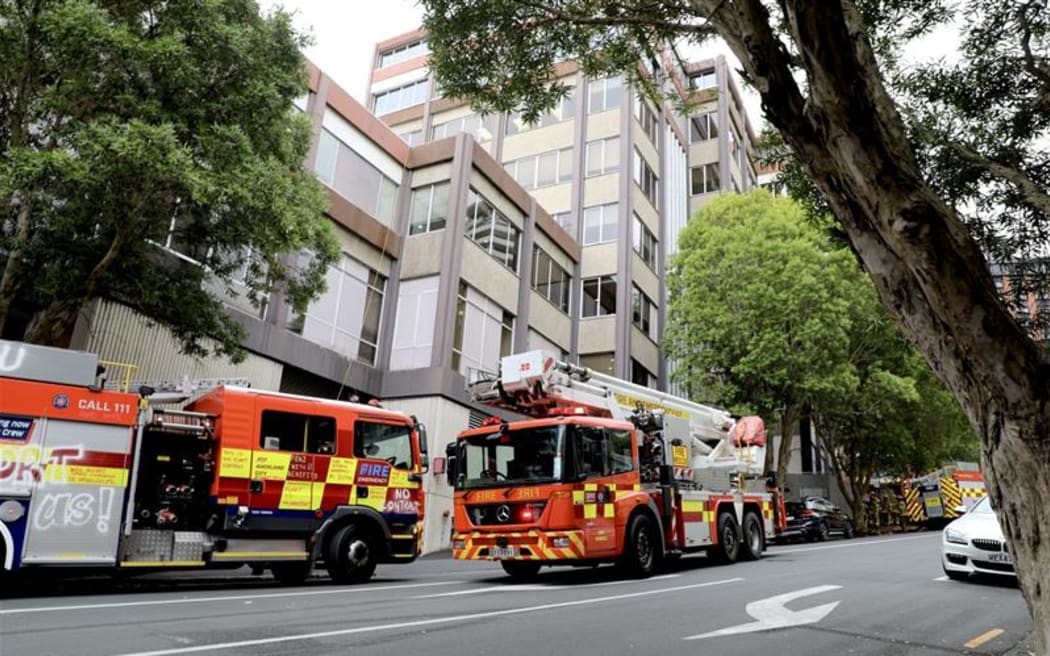
A fire at the University of Auckland law school building has now been extinguished.

A Fire and Emergency spokesperson said there had been a fire at the University and six fire trucks were at the scene on Short Street. The call to 111 came through at about 2.40pm.

FENZ said the fire was now extinguished but crews will stay near the building this afternoon.

Staff and students were seen going in floor by floor, starting with level 6, to retrieve any belongings left behind

A student who was evacuated from the fourth floor of the building said it seemed the fire started on level two.

Police were at the scene talking to students who have been evacuated.

Student Talisha Lal said when the fire alarm went off she, and other students, thought it was a drill.

Lal said once she was out of the building, she could see smoke.

More to come…

~ RNZ 

Continue Reading

Breaking News

Teacher struck off after filming explicit videos at school

Published

on

An Auckland teacher has had her registration cancelled after recording explicit videos of herself urinating on the floor of a classroom and on a student’s belongings.

The New Zealand Teachers Disciplinary Tribunal found Lisa Marie Edmondson had committed serious misconduct.

The school was alerted to the content after the deputy principal of the school was approached by a member of the public who had come across a video on TikTok and recognised the setting. A search for the username led to a pornographic account.

The account contained more than 30 explicit videos which had been recorded at various locations over a period of two-and-a-half years.

In one of the videos, Edmondson appeared to urinate on the floor of a classroom with genitalia clearly visible. A second video showed the teacher urinating on a hat with a student’s name clearly visible in a lost property box.

The summary of facts stated there was an “ongoing urine smell” in some classrooms during the time of her employment which had been attributed to rats and mice. Bait stations had been set up during the school holidays but no rodent activity was noted. The tribunal said her students were “likely to have been adversely affected” due to evidence of an “unpleasant smell that required deep cleaning”.

While she was not visible in the videos, the teacher was recognised due to her voice and clothing.

Edmondson resigned in May 2023 after receiving notice of a formal investigation.

Following her resignation, Edmondson worked as a relief teacher at a second school before being invited to apply for a fixed-term position.

The tribunal found that Edmondson had failed to disclose her full employment history when applying for – and subsequently working at – a new school in 2023 and failing to inform her employer that she was the subject of a mandatory report and current investigation by the Teaching Council.

In her reflective statement, Edmondson acknowledged that she had let her students down and “was not the role model that I should have been for them”.

“I have accepted that the likelihood of returning as a teacher has ended. This has been a very difficult concept to accept because I loved teaching, loved being in the classroom and loved my students and their whānau.”

The tribunal noted Edmondson failed to address the conduct head on or express concern for her former students and colleagues.

Edmondson’s registration was cancelled and the former teacher was issued a formal censure. She was ordered to pay $3,255.87 towards the Complaints Assessment Committee’s costs and $582 to the Teaching Council.

‘I have let down so many people’

In a statement to Stuff, Edmondson said she had no choice but to accept the ruling, but regretted her actions.

“During a two-year period which covers this time I was suffering from extreme anxiety, I can’t explain why I did it other than self sabotage and treating myself badly for things that had happened. By the time it was reported, I really did not even remember and hadn’t done anything else.”

Her actions had impacted her children and her ability to provide for them.

“I can’t change what I have done, but can make sure it never happens again.”

~ RNZ

Continue Reading

Breaking News

Diabetic patient dies in Waikato Hospital stairwell after urgently needed food delayed

Published

on

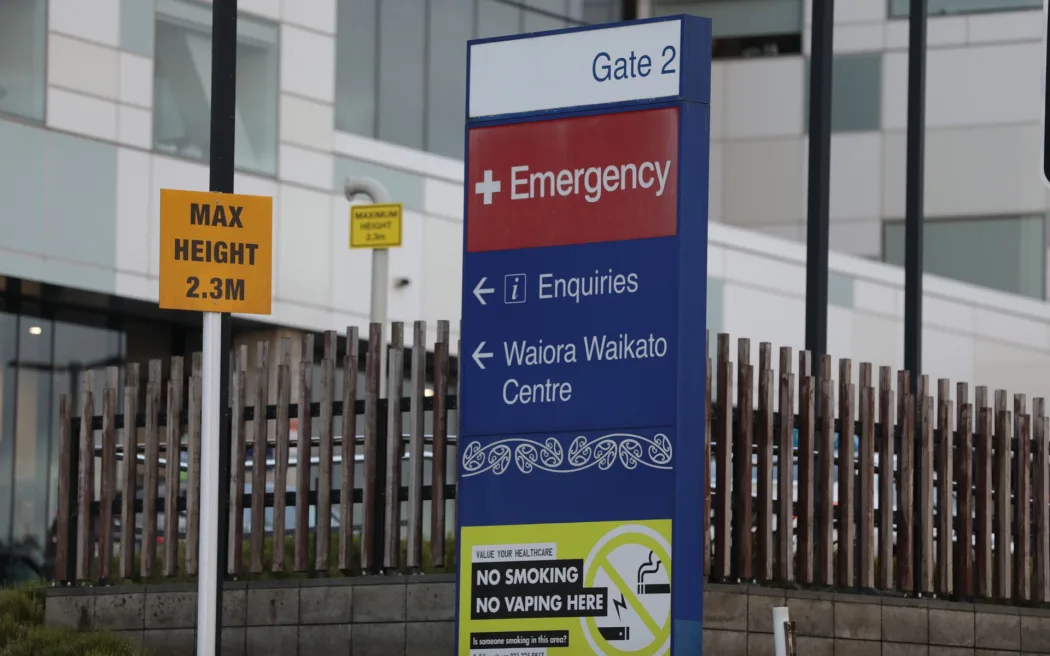
A diabetic patient collapsed and died in a Waikato Hospital stairwell after a delay getting urgently needed food.

The 79-year-old had a head injury and no pulse when he was found unconscious and alone by a passing nightshift doctor.

It was more than an hour after a nurse had gone to get him a sandwich to lift his blood sugar.

The Health and Disability Commission has just released a report severely critical of the care the man received in December 2019.

Waikato Hospital now makes sure the ward fridges are always stocked with snacks for diabetics.

The man, who had mild dementia and reduced mobility, was in the cardiac care unit after a heart attack.

The commission’s report said at about 9.30pm, he received a falling blood sugar reading of 4.4mmol/L and told a nurse he was worried about it.

At that level, his family had told nurses he could become unsteady on his feet.

The nurse went to get him a sandwich but there were none in the ward fridge so she had to go to another ward.

When she returned 10-15 minutes later he was not in his room so she left the sandwich by his bed.

Ten minutes later he was still not there and she wrongly assumed he was in the toilet.

A search for him did not begin for 55 minutes, the report said.

In reality, he had left his room and was last seen on CCTV footage at the snack machine.

He had walked past the nurses station and had been passed by seven staff members, none of whom appeared to check on him, the report said.

He had then gone out a fire exit and was not found until the passing doctor found him unconscious. He got help and tried to resuscitate him but could not.

By then the man’s blood sugar was just 1.8mmol/L, the report said.

Reaction from family and expert

In a written response to the commission after its initial findings, one of the man’s family members wanted to thank the health professionals who found him in “a severe hypoglycaemic crisis” and tried to save him.

“I can only imagine what it must have been like to stumble across a lost patient dying in a stairwell late at night.”

Health NZ had failed to keep the man safe, the family member said.

An expert nurse who reviewed the case, told the commission the man’s nurse should have made sure he ate the sandwich, especially because he experienced some memory loss and could have forgotten one was coming.

“Administering this very important snack is similar to administering medicine – you have to stay and watch the patient consume it,” the expert nurse said.

The initial delay in getting food was not the nurse’s fault but she should have checked if the man (Mr A) was there by knocking on the bathroom door when she returned.

“Not communicating with Mr A led to a cascade of terrible events,” the expert nurse said.

Waikato Hospital carried out its own adverse event review after the man’s death, the report said.

It found if the nurse had not had to go to another ward for a sandwich it would have allowed the man to get food more quickly and reduced the risk of him leaving the ward.

When his wife brought the man to the ED she had his medicine, his diabetic kit and his diabetic record book.

She had talked to staff many times about his needs.

But the family member told the commission the family was overlooked and not communicated with properly.

Very poor care

Deputy commissioner Carolyn Cooper gave her condolences to Mr A’s family.

“Mrs A was closely involved in her husband’s care, and his sudden death has been traumatic for her and the family,” she said.

Cooper found some of what happened was a severe departure from the expected level of care, and when it came to nursing management of his diabetes, it was “very poor”.

She was critical of the lack of food on the ward, the lack of communication with the man to make sure he had eaten, the delay in the search for him and the lack of a system to alert staff when a patient left the ward.

Health New Zealand’s response

Waikato Hospital now makes sure the fridges in all its cardiac units are checked to ensure there are enough snacks for patients with diabetes.

It has given staff more diabetes and dementia management training, with at risk patients now placed closer to the nurses station.

There is an alert system on the unlocked doors at the fire exit stairs.

In a response to questions from RNZ, Waikato Hospital’s chief medical officer Margaret Fisher said it had apologised to the family for the distress and the lasting impact from the incident.

The hospital accepted the commission’s findings that it did not meet the standard of care.

It had many of the improvements mentioned in the report and was also looking at creating a patient-tracking system in acute care areas, she said.

The hospital did not answer RNZ’s questions about how well staff the ward was on the night the man died.

~ RNZ

Continue Reading

Trending

Copyright © 2026 The Buzz: Powered by Apna Network Limited - Concept by Digital Hub NZ